The newly announced Pakistan fuel saving measures aim to reduce energy consumption and control economic pressure caused by rising global oil prices. Prime Minister Shehbaz Sharif introduced these steps during a national address, explaining that the government must act quickly to deal with the consequences of the ongoing conflict in the Middle East and the resulting disruption in global fuel supplies.
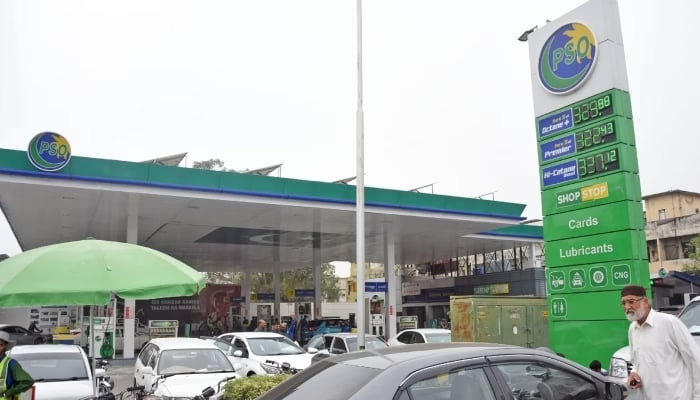
Pakistan fuel saving measures were announced shortly after the government increased petrol and diesel prices by nearly 20%. The price hike was a direct response to global supply disruptions that have pushed oil prices upward and created uncertainty in international energy markets.
Global Conflict and Rising Energy Costs
The ongoing conflict in the Middle East has significantly affected global energy supply chains. Tensions in the region have disrupted the flow of oil through key shipping routes, causing major concerns for countries that depend on imported fuel.
One of the most critical routes affected is the Strait of Hormuz, which is responsible for transporting a large share of the world’s oil supply. Any instability in this region can quickly push oil prices higher.
For Pakistan, which imports a large portion of its energy needs, rising oil prices can have immediate economic consequences. Higher fuel costs not only affect transportation but also increase the cost of electricity generation and everyday goods.
Because of this situation, the government decided to introduce Pakistan fuel saving measures to manage fuel consumption and reduce pressure on the national economy.
Major Cuts in Government Fuel Usage
One of the most significant parts of the Pakistan fuel saving measures is the reduction of fuel allowances for government departments. The government has announced a 50% reduction in fuel allocations for official vehicles for the next two months.
In addition, 60% of vehicles used by government departments will remain off the roads during this period. This move is expected to significantly reduce fuel consumption within public sector institutions.
These restrictions are designed not only to conserve fuel but also to demonstrate that government offices are taking responsibility during the energy crisis.
Salary Reductions and Spending Cuts
Another important element of the Pakistan fuel saving measures involves reducing government spending. Cabinet members, advisers, and special assistants will not receive salaries for two months as part of the cost-saving initiative.
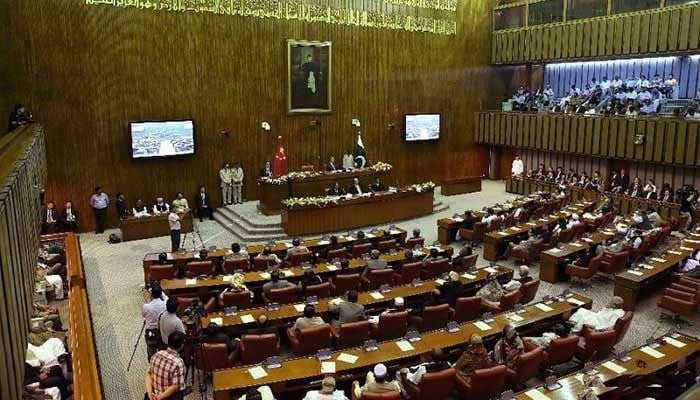
At the same time, members of parliament will face a 25% reduction in their salaries for the same period. Senior government officers in Grade-20 and above will also experience salary deductions equal to two days’ pay.
These steps are intended to show solidarity with citizens who are already dealing with rising fuel prices and higher living costs.
The government has also directed all departments to cut their overall expenditures by 20%, which could result in significant savings across public institutions.
Restrictions on Government Activities
Several administrative restrictions have also been introduced as part of the Pakistan fuel saving measures. The government has announced a temporary ban on foreign visits by ministers, advisers, and government officials unless the trip is considered essential for national interests.
Instead of traveling abroad, officials will be encouraged to conduct meetings through video conferencing and other digital communication platforms.
The government has also banned the purchase of new vehicles and air-conditioners for government offices during the austerity period. These restrictions are meant to prevent unnecessary spending while the country faces economic pressure.
Additionally, official dinners, receptions, and iftar parties hosted by government institutions have been completely banned for two months.
Changes to Work and Office Schedules
To further conserve energy, the Pakistan fuel saving measures include changes in workplace routines across the country.
Around 50% of employees in both the public and private sectors will work from home where possible. This policy is expected to reduce daily commuting, which in turn will lower fuel consumption.
Government offices will also shift to a four-day workweek, although banks will not be included in this policy because of their essential role in financial operations.
Reducing office days and encouraging remote work can significantly decrease transportation demand and electricity usage in office buildings.
Temporary Closure of Schools
Education institutions are also included in the government’s conservation plan. All schools across the country will be closed for two weeks, starting at the end of the current week.
This temporary closure aims to reduce electricity consumption in school buildings and limit transportation usage by students and staff.
Although the closure may disrupt academic schedules temporarily, officials believe it is necessary to help manage the energy crisis effectively.
Public Responsibility During the Crisis
While announcing the Pakistan fuel saving measures, Prime Minister Shehbaz Sharif emphasized the importance of national unity and public cooperation.
He urged citizens to understand the seriousness of the situation and support the government’s efforts to conserve energy. According to the prime minister, responsible behavior from both individuals and businesses will play a crucial role in overcoming the current challenges.
He also warned traders against hoarding essential commodities in an attempt to profit from the crisis, stating that strict action would be taken against those who exploit the situation.
The introduction of Pakistan fuel saving measures reflects the government’s urgent response to rising oil prices and global supply disruptions caused by conflict in the Middle East. With fuel prices increasing and energy supplies under pressure, Pakistan must take practical steps to reduce consumption and manage resources carefully.
Through spending cuts, reduced fuel usage, remote work policies, and administrative restrictions, the government hopes to minimize the economic impact of the crisis. While these measures may require temporary adjustments from citizens and businesses, they are intended to help stabilize the country during a challenging period in the global energy market.