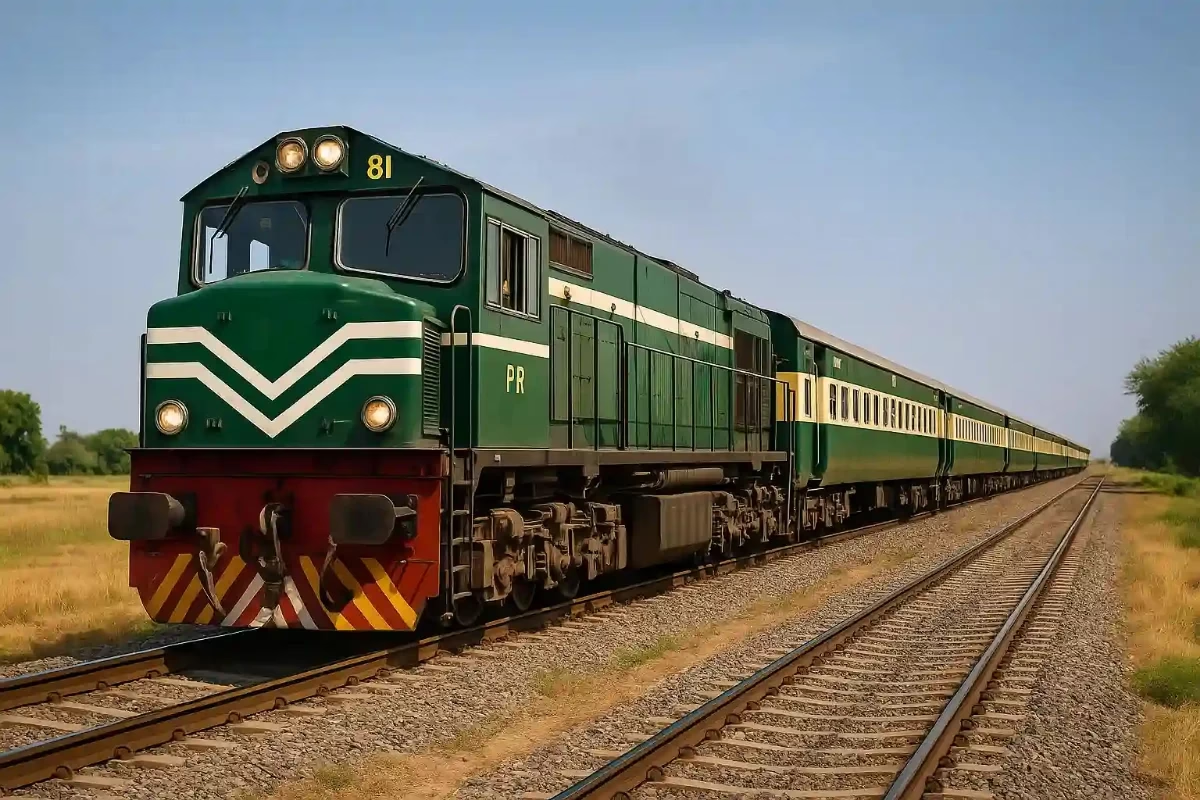
The Pakistan Railways fare increase has officially been announced following a significant rise in diesel prices across the country. According to officials, passenger and freight train fares will rise starting March 9, as the railway department adjusts prices to manage higher operational costs. The decision reflects the growing financial pressure caused by increasing fuel expenses, which directly impact transportation services.
The announcement was made by a spokesperson from Pakistan Railways, who explained that the adjustment was necessary after a 20% surge in diesel prices. Fuel is one of the biggest operational costs for rail transport, and rising energy prices often force public transport authorities to revise their fare structures.
Details of the Fare Increase
Under the new policy, the Pakistan Railways fare increase will apply differently across various classes and services. Economy class passengers will experience a 5% increase in ticket prices, while AC class fares will rise by 10%. Freight train charges will see the largest adjustment, increasing by 20%.
This tiered structure aims to balance affordability for everyday passengers while helping the department recover part of its rising operational expenses. Economy class is used by a large portion of travelers, so the increase in that category has been kept relatively moderate.
The Pakistan Railways fare increase will come into effect from March 9, and it will apply to all passenger and freight trains operating across the country.
Impact on Passengers
For regular commuters and long-distance travelers, the Pakistan Railways fare increase will slightly raise travel costs. However, officials have emphasized that the railway department has tried to keep the increase as minimal as possible for ordinary passengers.
Railways remain one of the most affordable travel options in Pakistan, particularly for those traveling between major cities. Even with the adjustment, train fares are still considered cheaper than many other transportation options, especially for long journeys.
Passengers who have already booked their tickets before March 9 will not be affected by the new rates. Their bookings will remain valid under the old fare structure, providing relief to travelers who planned their trips in advance.
Freight Sector Adjustments
The most significant change in the Pakistan Railways fare increase affects freight services. Freight train charges have been raised by 20%, reflecting the heavy fuel consumption required for transporting goods across long distances.
Freight operations are a major revenue source for Pakistan Railways, and higher fuel costs directly influence transportation rates. Industries that rely on rail cargo services may experience a slight rise in logistics costs as a result.
However, railway officials believe that freight transport by rail will still remain competitive compared to road transport, especially for bulk goods and long-distance deliveries.
Why Diesel Prices Matter
The Pakistan Railways fare increase highlights how sensitive the transport sector is to fluctuations in fuel prices. Diesel powers the majority of locomotives in the country, making fuel expenses a major component of railway operations.
When diesel prices rise, railway departments face two choices: absorb the costs internally or adjust fares. In this case, officials stated that the department will absorb part of the financial burden but still needed to introduce limited fare increases to maintain operational stability.
Balancing affordability and sustainability is a major challenge for public transport organizations worldwide, and Pakistan Railways is no exception.
Government and Operational Challenges
Running a nationwide rail network involves significant expenses, including fuel, maintenance, employee salaries, and infrastructure upgrades. The Pakistan Railways fare increase reflects the reality that operational costs are rising in many sectors.
Authorities have indicated that despite the fare adjustments, the railway department will continue to bear a portion of the increased costs itself. This approach aims to ensure that ticket prices remain accessible to the general public.
Transport experts often point out that railways play a critical role in connecting cities, facilitating trade, and supporting economic growth. Maintaining reliable rail services requires financial stability, which sometimes leads to fare revisions when costs increase.
What Travelers Should Know
Passengers planning to travel after March 9 should check updated ticket prices before booking. The Pakistan Railways fare increase will apply automatically to new reservations made from that date onward.
Travelers who booked their journeys earlier will not see any changes in their ticket prices. This policy ensures fairness and prevents inconvenience for those who secured tickets before the announcement.
It is also recommended that passengers stay updated through official railway announcements and booking platforms to avoid confusion regarding the revised fares.
The Pakistan Railways fare increase may bring short-term adjustments for passengers and businesses, but it also reflects the broader economic environment where fuel costs continue to influence transportation systems.
Despite the changes, trains remain an essential and affordable travel option for millions of people across the country. By maintaining services while managing rising expenses, Pakistan Railways aims to continue providing reliable transportation to passengers and freight customers alike.
As fuel prices fluctuate in the future, transport authorities may continue reviewing fare policies to ensure both sustainability and accessibility for the traveling public.