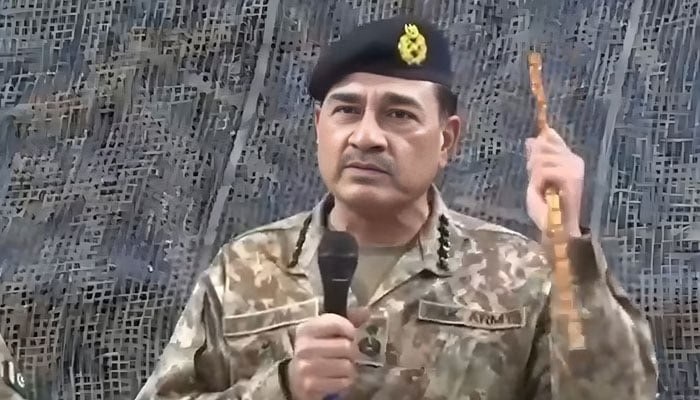
The issue of Pakistan-Afghanistan border security once again came into focus as Chief of Defence Forces and Chief of Army Staff Asim Munir visited Wana in South Waziristan to review the prevailing situation along the western frontier. According to a statement issued by Inter-Services Public Relations (ISPR), the Army Chief emphasized that lasting peace between Pakistan and Afghanistan depends on the Afghan Taliban regime renouncing support for terrorism and terrorist organizations.
High-Level Visit to Wana
During his visit to Wana, a strategically important area near the Pakistan-Afghanistan border, Field Marshal Asim Munir received a detailed briefing on the current security environment. Officials informed him about ongoing intelligence-based operations, border management measures, and operational preparedness of troops deployed in forward areas.
The focus remained firmly on Pakistan-Afghanistan border security, particularly in light of increasing cross-border threats. The Army Chief was updated on Operation Ghazab lil-Haq and other developments aimed at neutralizing militant elements operating near the frontier.
Such visits reflect the military leadership’s close monitoring of ground realities and reinforce the importance of maintaining vigilance in sensitive border regions.
Clear Message on Terrorism
In his address, the Army Chief delivered a strong message regarding the use of Afghan soil for terrorism against Pakistan. He stated that peace between the two neighboring countries could only prevail if the Afghan Taliban renounced any support for terrorist networks targeting Pakistan.
This statement highlights the direct link between Pakistan-Afghanistan border security and regional stability. The presence of militant groups operating across the border has long been a point of tension between the two countries. Pakistan has repeatedly expressed concerns about safe havens used to launch attacks inside its territory.
Field Marshal Munir stressed that any use of Afghan territory by groups such as Fitna al-Khawarij and Fitna al-Hindustan for terrorist activities would remain unacceptable. He reaffirmed that Pakistan would take all necessary measures to neutralize threats emanating from across the border.
Operational Preparedness and Troop Morale
The ISPR statement also noted that the Army Chief interacted with officers and troops stationed in forward areas. He commended their professionalism, operational vigilance, and high morale amid ongoing skirmishes and security challenges.
Maintaining Pakistan-Afghanistan border security requires constant readiness, particularly in rugged and volatile terrain like South Waziristan. Troops deployed in these areas face demanding conditions, including intelligence-based operations and cross-border monitoring.
Field Marshal Munir expressed full confidence in the combat readiness, synergy, and resilience of the formations guarding the western border. His remarks underscored the military’s belief that preparedness and coordination are essential to counter evolving threats.
Border Management and Intelligence Operations
Modern border security goes beyond physical deployment. It involves surveillance systems, intelligence sharing, coordinated patrols, and rapid response mechanisms. During the briefing, the Army Chief reviewed measures in place to strengthen border management, ensuring that infiltration attempts are detected and countered swiftly.
Operation Ghazab lil-Haq, referenced during the visit, represents a broader effort to dismantle militant networks and maintain control over sensitive areas. Intelligence-based operations play a key role in targeting specific threats without causing widespread disruption.
The emphasis on Pakistan-Afghanistan border security also reflects the broader regional security landscape, where instability in one country can quickly impact its neighbors.
Tribute to the Martyrs
As part of his visit, Field Marshal Asim Munir laid a floral wreath at the Shuhada Monument in Wana, paying homage to soldiers who sacrificed their lives in defense of the country. He offered Fateha and reaffirmed that the sacrifices of martyrs remain the cornerstone of Pakistan’s security and resilience.
Honoring fallen soldiers serves as a reminder of the human cost associated with safeguarding Pakistan-Afghanistan border security. It reinforces the military’s commitment to protecting national sovereignty and maintaining peace in volatile regions.
The Path Toward Stability
The Army Chief’s remarks make it clear that sustainable peace between Pakistan and Afghanistan hinges on mutual responsibility. Renouncing support for militant organizations and preventing the use of territory for cross-border attacks are critical steps toward building trust.
Pakistan-Afghanistan border security will continue to remain a central priority for the country’s defense leadership. While military preparedness is essential, long-term stability ultimately depends on cooperation, dialogue, and decisive action against terrorism.
As tensions persist along the western border, visits like this signal that Pakistan’s military remains vigilant and committed to ensuring the safety of its citizens. The message is firm: peace is possible, but only through accountability and the elimination of terrorist sanctuaries that threaten regional harmony.