

Skywatchers are in for a treat tonight as six planets — Mercury, Venus, Saturn, Jupiter, Uranus, and Neptune — appear together in a sweeping arc across the evening sky.
While planetary alignments occur from time to time, a six-planet “parade” is relatively rare. The last similar event occurred in January 2025, followed by a four-planet display in August.
What is a planetary parade?
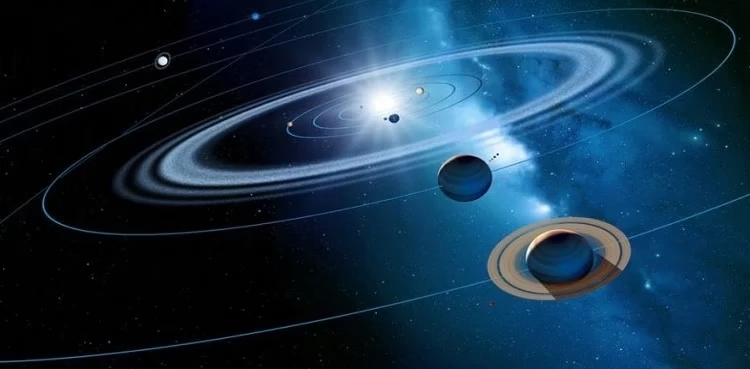
A planetary parade happens when multiple planets are visible at the same time, forming a loose curve rather than a perfectly straight line.
All planets orbit the Sun along roughly the same plane. From Earth, that shared orbital path appears as a curved line across the sky — making it possible to spot several planets in one view under the right conditions.
According to NASA, smaller groupings of three to five planets are fairly common, but six visible at once is much less frequent.
When and how to watch
- Best time: About 30 minutes after sunset
- Where to look: Low to mid-western sky (depending on location)
- Visibility:
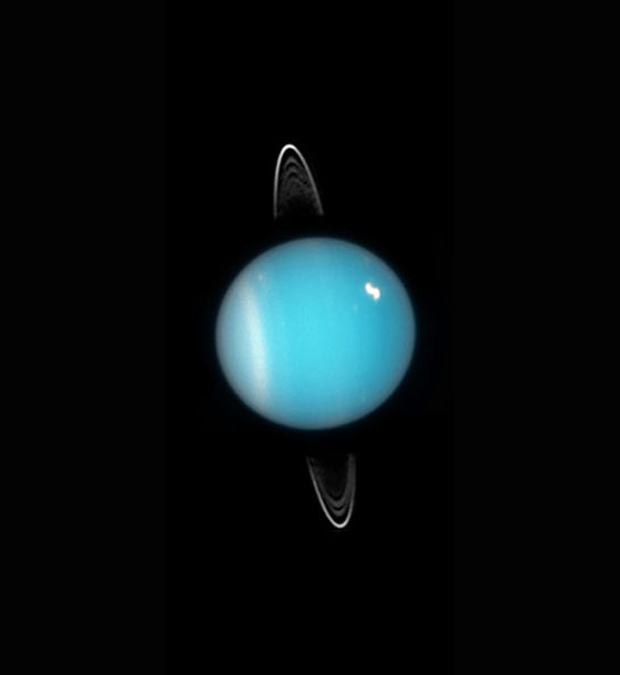
- Naked eye: Mercury, Venus, Saturn, Jupiter
- Binoculars or telescope needed: Uranus, Neptune
Because each planet moves at a different orbital speed, the lineup will gradually shift in the coming days. The alignment won’t remain perfectly positioned for long.
For the best experience, choose a location with minimal light pollution and a clear horizon.
Tonight’s celestial show offers a rare opportunity to see half the solar system in one glance — a reminder of the dynamic motion constantly unfolding above us.