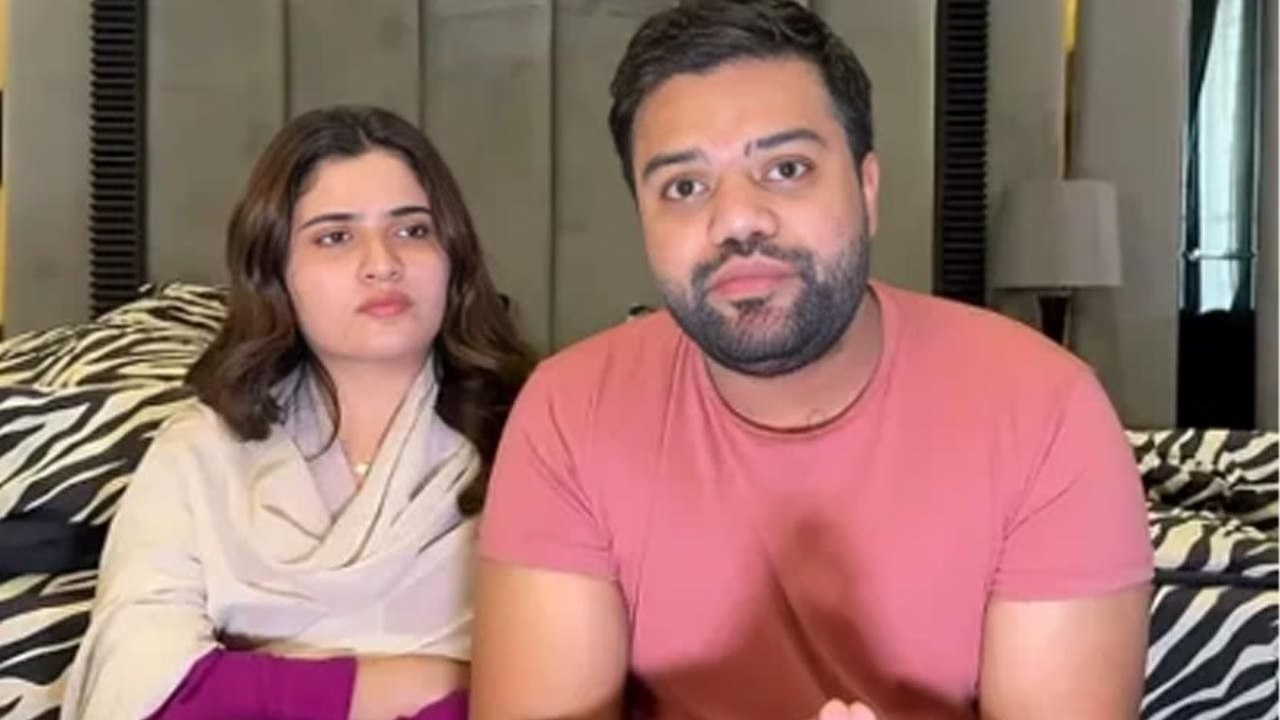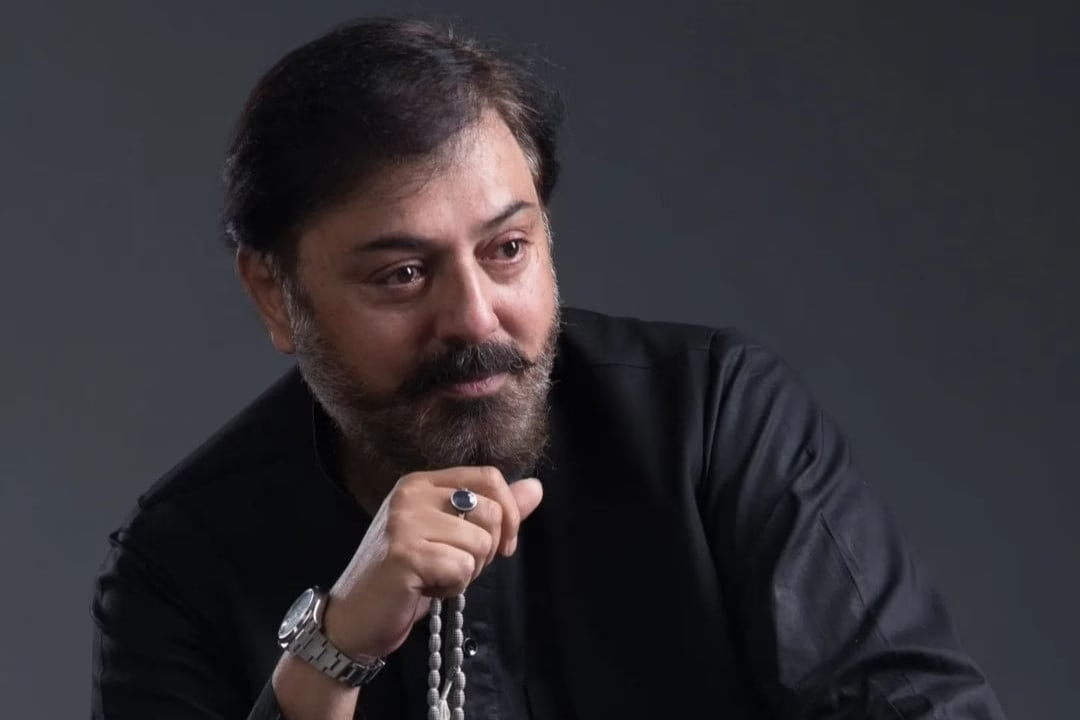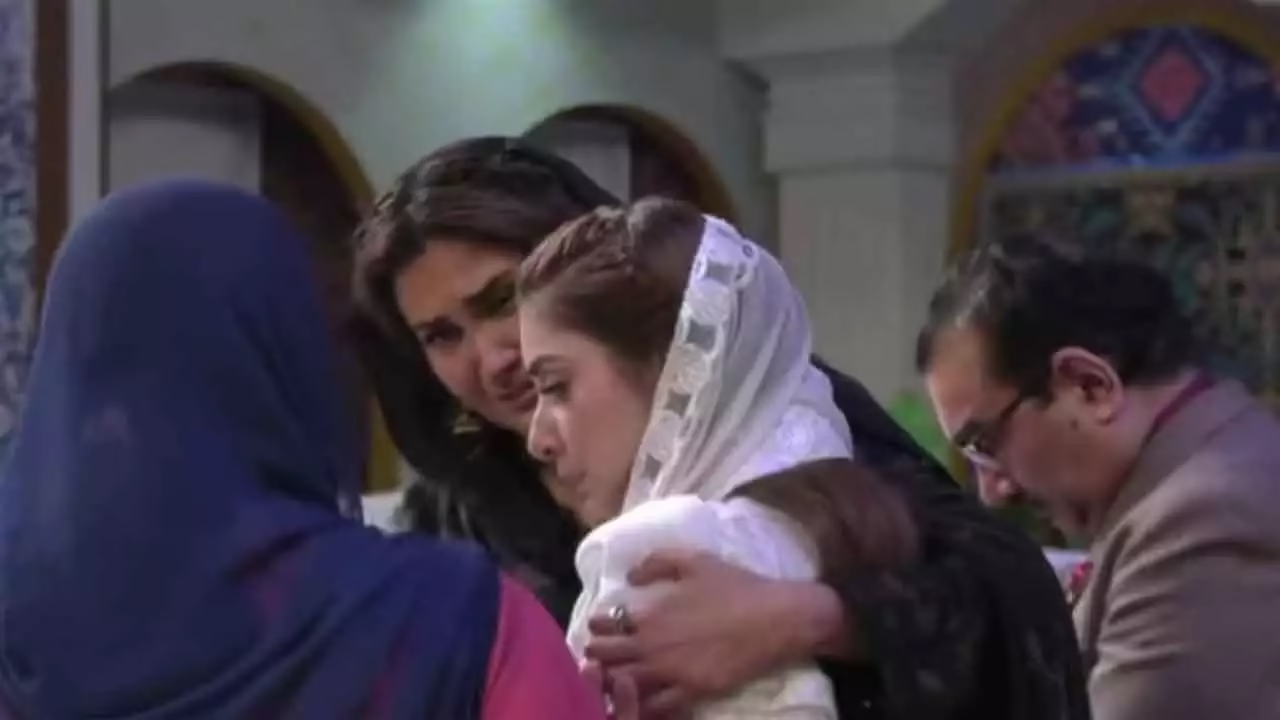
The alleged Fiza Ali viral audio has taken social media by storm, with many users claiming it features a private conversation after a Ramadan transmission. The clip is said to be linked to a program hosted by Fiza Ali in which Dr. Nabiha Ali participated. However, as the audio spreads rapidly across platforms, questions about its authenticity and context remain unanswered.
What Is in the Viral Clip?
According to circulating claims, the Fiza Ali viral audio captures an informal discussion that allegedly took place right after the Ramadan show ended. In the clip, a female voice believed by some to be Fiza Ali can be heard discussing how certain topics were handled during the live broadcast.
One part of the audio reportedly includes comments about how a particular subject was introduced quickly during the show. There are also references to previous viral moments and concerns about memes and online reactions. Multiple male voices are heard in the background, seemingly contributing to the discussion.
Because the clip lacks verified confirmation, it is difficult to determine whether the voices truly belong to those being named online. As of now, there has been no official statement from Fiza Ali addressing the alleged recording.
Social Media Reaction
The Fiza Ali viral audio quickly became a trending topic, with users sharing short snippets and offering their own interpretations. Some people criticized the tone of the conversation, while others urged caution, reminding everyone that leaked or edited audios can often be misleading.
In today’s digital world, it only takes a few minutes for a private clip real or fabricated to gain massive attention. Social media algorithms tend to amplify controversial content, making it even harder to separate fact from speculation.
Many fans of Fiza Ali have come forward in her defense, arguing that without proper verification, it is unfair to jump to conclusions. Others have called for responsible sharing, highlighting the emotional and reputational impact such content can have.
The Question of Authenticity
One major issue surrounding the Fiza Ali viral audio is the lack of confirmation. In similar cases, experts have pointed out that audio clips can easily be edited, spliced, or even generated using advanced technology. Without forensic verification, it is nearly impossible to confirm whether the recording is genuine or manipulated.
Public figures often face the risk of having their private conversations recorded or misrepresented. Even a casual backstage remark, taken out of context, can sound controversial when isolated from the full conversation.
Until an official clarification is provided, it remains important to treat the situation carefully and avoid spreading unverified claims.
Ramadan Shows and Public Sensitivity
Ramadan transmissions hold a special place in Pakistani media. They are often centered around faith, family values, and emotional discussions. Because of this, any controversy connected to a Ramadan program tends to attract heightened attention.
If the Fiza Ali viral audio is indeed linked to a Ramadan show, the public reaction becomes even stronger due to the sensitive nature of the month. Viewers expect decorum and sincerity during such programs, which is why any alleged behind-the-scenes remarks can feel surprising or disappointing to some.
However, it is also worth remembering that television productions involve multiple people, spontaneous decisions, and live dynamics. Not every comment made off-camera reflects the overall intention of a program.
The Impact of Viral Content
The rapid spread of the Fiza Ali viral audio once again demonstrates how quickly reputations can be affected in the digital era. Viral content often lacks context, yet it shapes public opinion almost instantly.
For celebrities, this can mean facing intense scrutiny before having a chance to respond. For audiences, it highlights the importance of critical thinking. Sharing unverified material can unintentionally contribute to misinformation.
Media literacy plays a crucial role here. Before believing or forwarding any viral clip, it is essential to ask: Has it been confirmed? Is it edited? What is the source?
Waiting for an Official Response
At the time of writing, there has been no formal statement from Fiza Ali regarding the alleged audio. Until she or her representatives address the matter, any claims surrounding the Fiza Ali viral audio remain speculative.
Public figures deserve the opportunity to clarify their position before judgments are made. If the audio turns out to be authentic, context will be key. If it is fabricated, then it raises serious concerns about digital manipulation and privacy violations.
The Fiza Ali viral audio controversy highlights the double-edged sword of social media. While platforms allow instant access to information, they also enable the rapid spread of unverified content.
The most responsible approach is patience and restraint. Without official confirmation, assumptions can do more harm than good. As audiences, practicing caution and empathy ensures that we do not become part of the problem in an already fast-moving digital landscape.