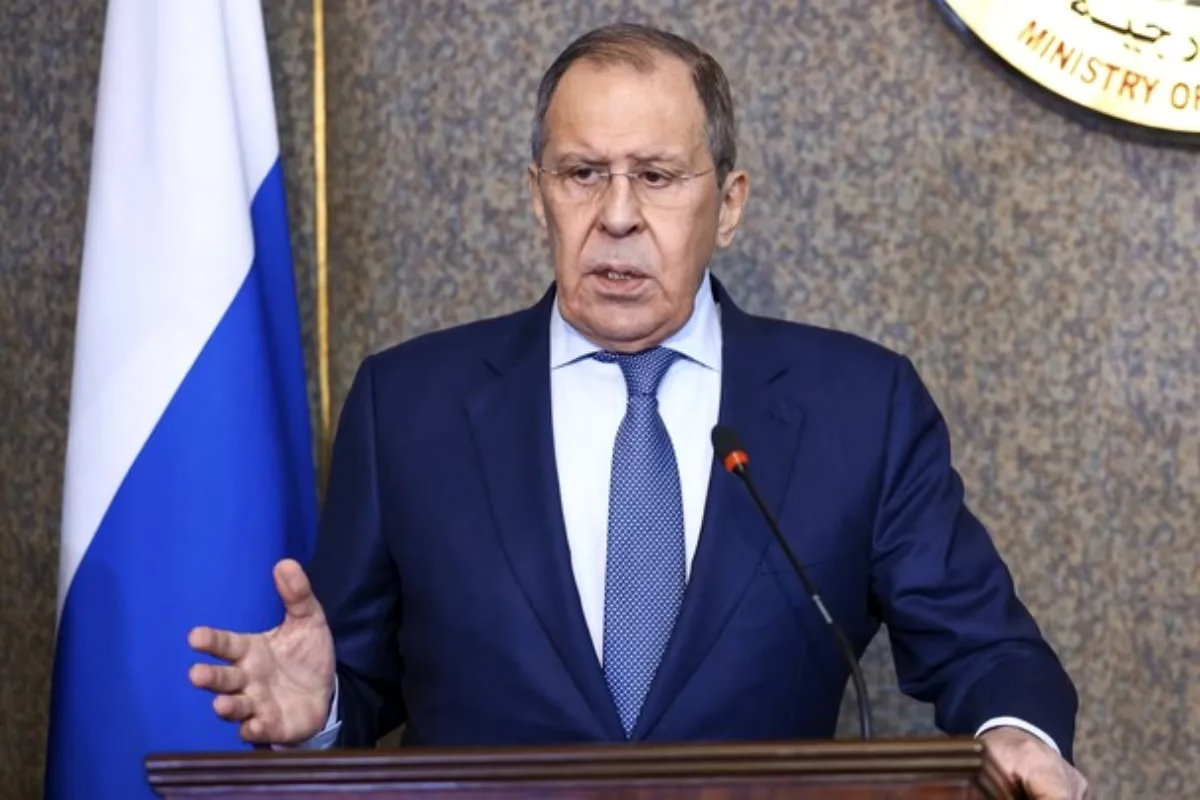
The Russia warns against any new U.S. strike on Iran has become a key concern in global diplomacy as tensions rise around Tehran’s nuclear program and potential U.S. military action. Russian Foreign Minister Sergei Lavrov has openly cautioned Washington that a fresh strike on Iran could have serious consequences and worsen instability across the Middle East and beyond.
In a televised interview with Saudi Arabia’s Al‑Arabiya, Lavrov said any renewed U.S. attack on Iranian soil, especially on nuclear sites already under International Atomic Energy Agency (IAEA) supervision, would be dangerous and is effectively playing with fire.He urged restraint and emphasized diplomatic solutions that would allow Iran to pursue a peaceful nuclear program while avoiding escalation.
Why Russia Is Warning the U.S.
Lavrov’s warning reflects Russia’s belief that military action against Iran could destabilize the region and damage international norms such as the credibility of the IAEA and the Treaty on the Non‑Proliferation of Nuclear Weapons. He noted that past strikes including those carried out by the U.S. and Israel not only posed real risks of a nuclear incident but also undercut global trust in nuclear safeguards.
According to Lavrov, recent improvements in regional relations notably between Iran and some Gulf states could be undone by renewed conflict. This view underscores Moscow’s preference for diplomatic engagement over military confrontation.
U.S.Iran Relations and Nuclear Talks
Tensions have spiked after a second round of indirect nuclear talks between the United States and Iran in Geneva ended without a major breakthrough. U.S. officials have warned Tehran that agreeing to terms on limiting its nuclear capabilities remains urgent, but significant disagreements persist.
The U.S. insists that Iran must curb certain aspects of its nuclear and missile programs, while Tehran maintains its activities are peaceful and under IAEA oversight. The talks, intended to avert escalation, have yet to produce a comprehensive agreement acceptable to both sides.
U.S. Military Posture and Regional Alert
While diplomacy continues, the U.S. has bolstered its military presence around the Gulf, including deploying aircraft carriers and other forces. This buildup has fueled fears that Washington may resort to military action if talks fail. In response, neighboring states such as Israel have heightened their alert levels, advising citizens to stay safe amid worries about a potential conflict and possible missile retaliation from Iran.
Russia‑Iran Naval Cooperation
Amid the standoff, Iran and Russia held joint naval exercises in the Gulf of Oman and Indian Ocean, signaling a deepening military cooperation and offering a show of strength in the face of U.S. pressure. These drills, which involved simulated maritime operations, are framed by Tehran and Moscow as measures to ensure maritime security and to prevent unilateral military action by external powers.
Russia’s participation also serves as a political counterweight to American influence, demonstrating support for Iran’s strategic stance while calling for peaceful resolution through diplomacy.
Global and Regional Implications
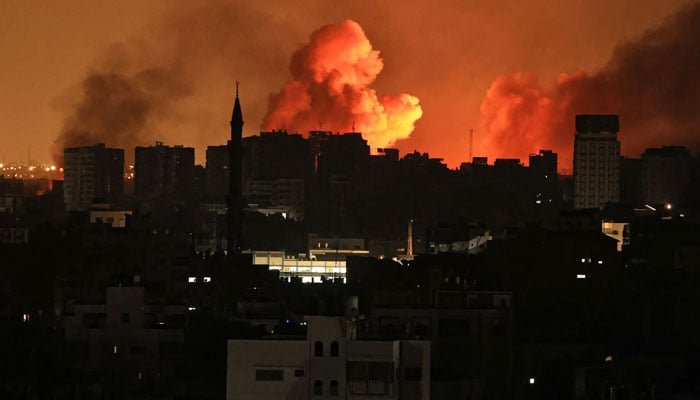
Experts warn that any U.S. strike on Iran could have far‑reaching consequences: beyond immediate military retaliation, global energy markets could be affected due to Iran’s proximity to the Strait of Hormuz, a vital oil shipping route. Moreover, increased conflict might exacerbate refugee flows, heighten sectarian tensions across the Middle East, and strain relations between global powers.
Lavrov’s statement reflects broader concerns that military escalation, rather than de‑escalation, could undermine fragile diplomatic progress and destabilize an already volatile region.
As the U.S., Iran, and other global actors continue indirect talks, the world watches closely. Most leaders now express a preference for diplomacy over war, but the path forward remains uncertain. The Russia warns against any new U.S. strike on Iran narrative highlights a strong push from Moscow for restraint and a negotiated settlement that recognizes Iran’s right to a peaceful nuclear program while addressing U.S. security concerns.