
Global food and beverage leaders including PepsiCo and Coca-Cola are reshaping product strategies for 2026 as appetite-suppressing GLP-1 drugs transform consumer eating habits.
What began as a wait-and-see approach has shifted into full strategic recalibration. Nearly three dozen non-healthcare companies have referenced GLP-1 drugs or weight loss in earnings calls so far this year, more than double last year’s figure, according to LSEG data.
Smaller portions, cleaner labels
GLP-1 medications — commonly prescribed for diabetes and weight loss — curb appetite and reduce food cravings. Adoption more than doubled in the 12 months through December, with roughly 20% of U.S. households now including at least one user, according to PwC.
As a result:
- GLP-1 users consume about 40% fewer calories on average
- Dessert intake has fallen 84%
- Alcohol consumption is down 33%
- Fresh produce intake has increased more than 70%
- Grocery baskets are shrinking by up to 9% in single-person households
Consulting firm EY-Parthenon estimates these shifts could translate into as much as $12 billion in lost snack sales over the next decade.
In response, PepsiCo has launched “Simply NKD,” reformulating products such as Lay’s and Gatorade to remove artificial colors and flavors while emphasizing smaller portion sizes. CEO Ramon Laguarta acknowledged both risk and opportunity in the shift.
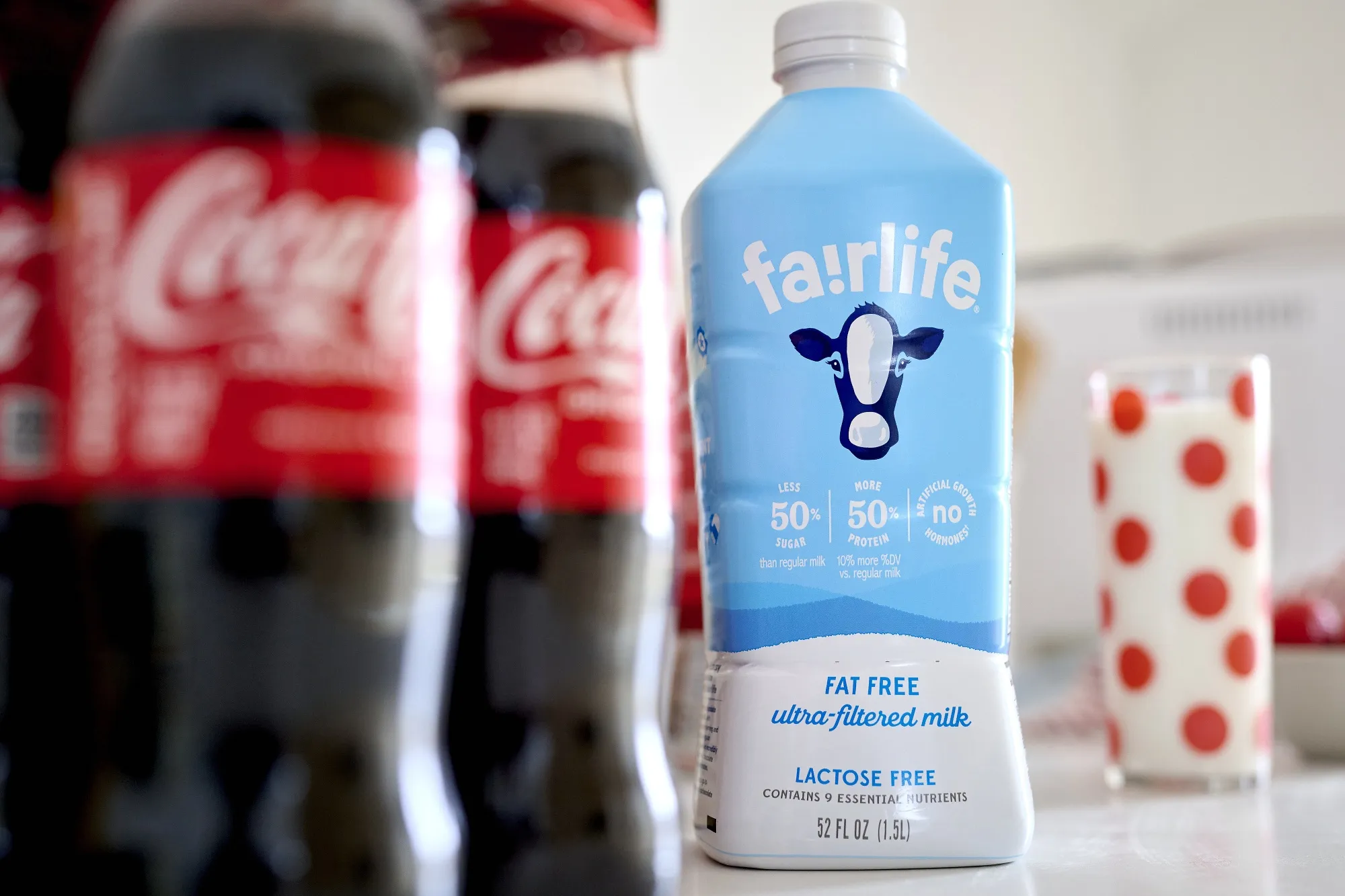
Coca-Cola, meanwhile, has accelerated innovation efforts under its incoming leadership and expanded production of its protein-rich Fairlife milk to meet growing demand.
Betting on protein and staples
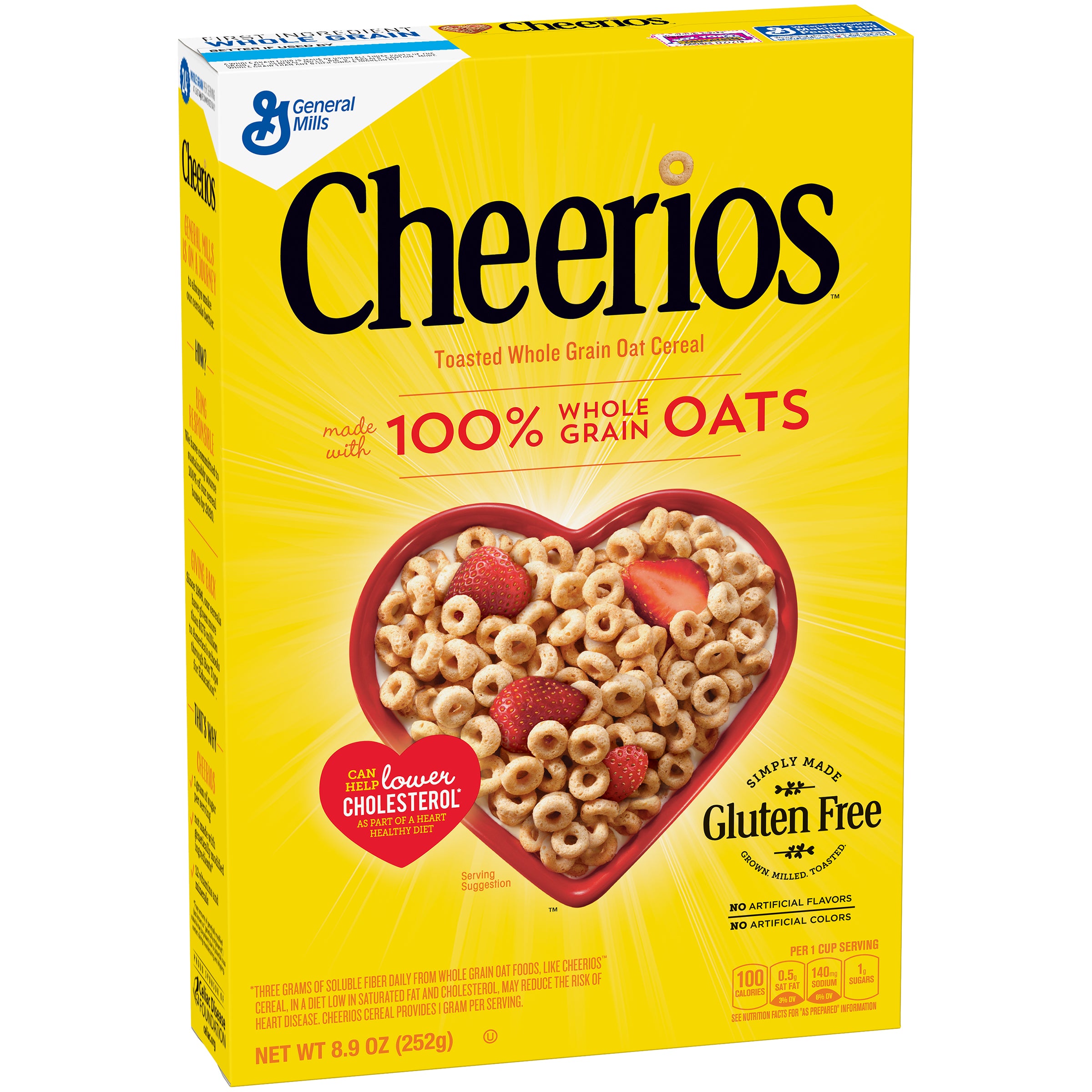
At General Mills, capital expenditure is projected to rise sharply — up to 23% this year — as the company leans into higher-protein offerings like its protein-enhanced Cheerios cereal. CEO Jeffrey Harmening said anti-obesity drugs are likely to have a “lasting influence” on food consumption patterns, pushing consumers toward nutrient-dense, protein- and fiber-forward foods.
Kraft Heinz halted a planned corporate split and instead committed $600 million in investment to revive brands such as Oscar Mayer, signaling renewed focus on core staples.
Other companies are following suit:
- Conagra Brands is investing in protein-centric snacks like Slim Jim meat sticks and nuts.
- Snap Kitchen, a private meal provider based in Austin, is expanding fiber-rich and lean-protein offerings to meet evolving demand.
Industry analysts say nearly every major food manufacturer is now allocating R&D dollars toward portion control, satiety-boosting ingredients, and higher protein density.
A long-term disruption
Executives increasingly view GLP-1 drugs not as a passing health trend, but as a structural shift in consumption. With reduced “mindless munching” and binge eating among users, traditional snack growth may slow — but new categories centered on health, protein, and functional nutrition could expand.
As PwC’s Ali Furman noted, the industry is only beginning to grasp the ripple effects of what she described as a significant physiological disruption.
For food companies, the message is clear: adapt quickly — or risk being left behind in a leaner, more health-conscious marketplace.