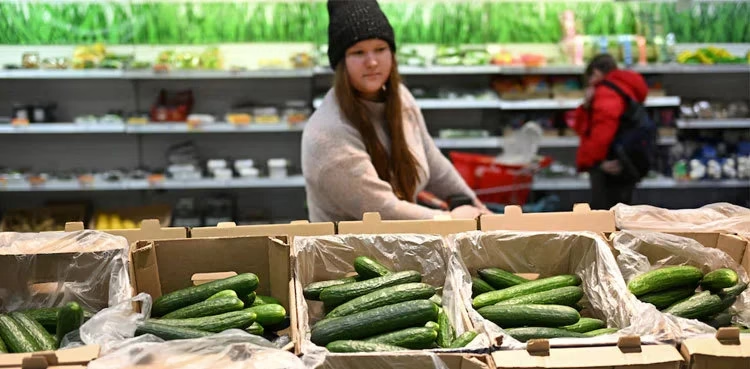
Soaring cucumber prices have triggered political debate in Russia, prompting the country’s anti-monopoly watchdog to demand explanations from producers and retailers following complaints from lawmakers — including members of the ruling United Russia party.
The issue has gained traction ahead of parliamentary elections later this year, as voters voice frustration over rising food costs.
‘A new delicacy’
Sergei Mironov, leader of the A Just Russia – For Truth party in the State Duma, mocked the situation, calling cucumbers a new “delicacy” in Russian shops. He criticized the Agriculture Ministry’s explanation that seasonal factors were to blame — the same reasoning previously used when potato and egg prices surged.
“What are people supposed to do? Just accept that they can’t afford the most basic foods?” Mironov asked, echoing growing consumer frustration.
Inflation pressures mounting
The cucumber spike comes amid broader inflation concerns. Prices overall have risen 2.1% since the start of the year, partly due to higher value-added tax, while Russia’s central bank has projected annual inflation could reach 5.5%.
Consumers are also reporting higher utility bills, fuel costs, supermarket prices and restaurant charges. The squeeze is being felt as Russia’s economy slows following four years of war in Ukraine.
With cucumber prices in some regions exceeding those of imported bananas, certain Siberian supermarkets have reportedly imposed purchase limits. One major newspaper even distributed cucumber seeds to readers, encouraging them to grow their own.
Calls for intervention
Opposition groups, including the communist party and A Just Russia, have suggested capping retail mark-ups on essential foods. Meanwhile, Yevgeny Popov, a lawmaker from United Russia, attempted to calm concerns on social media, insisting prices would soon fall and that Russia remains self-sufficient in cucumber production.
His reassurances were met with pushback from users who described vegetable prices as “outrageous” and compared cucumbers to previously dubbed “golden” eggs.
Authorities have addressed food price spikes before, and there are no signs the current discontent threatens wider social stability. Still, the episode highlights how everyday grocery costs can quickly become a political flashpoint — especially in an election year.