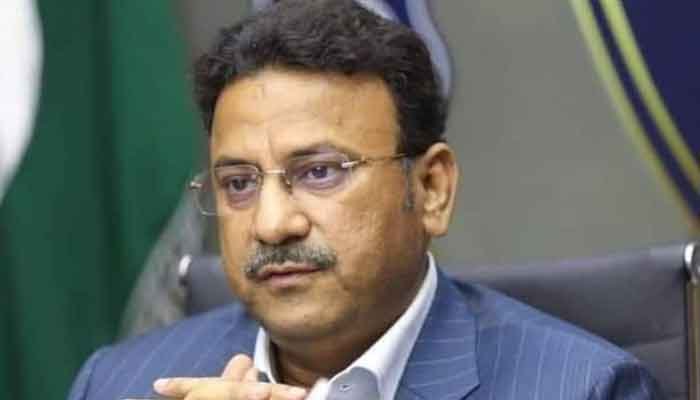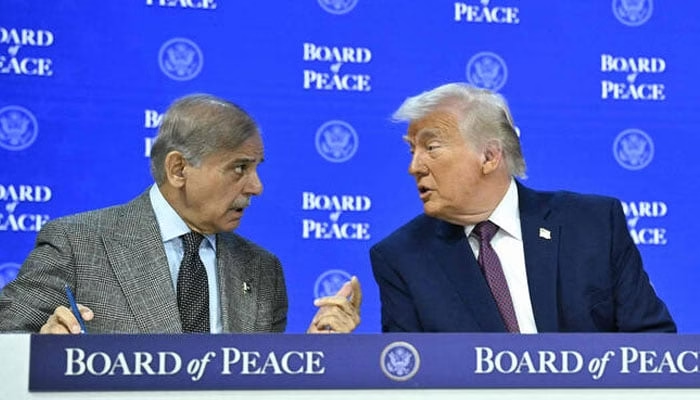
Pakistan’s role in Gaza peace mission discussions has taken center stage as Prime Minister Shehbaz Sharif arrived in Washington to attend President Donald Trump’s newly launched “Board of Peace” meeting on Gaza. The high-level gathering, scheduled for February 19, brings together representatives from more than 20 countries to deliberate on a proposed International Stabilisation Force (ISF) for the war-torn Palestinian territory. As global attention turns toward reconstruction and stability in Gaza, Pakistan is seeking clarity before committing any troops.
The proposed ISF is part of a broader peace and reconstruction framework introduced by Donald Trump earlier this year. The initiative aims to support a ceasefire, oversee rebuilding efforts, and help establish long-term security arrangements in Gaza. However, Islamabad has made it clear that its participation would be conditional and strictly limited to peacekeeping responsibilities.
Prime Minister Shehbaz Sharif is expected to remain in the United States until February 20, with potential meetings scheduled with senior American leadership. Accompanying him is Deputy Prime Minister and Foreign Minister Ishaq Dar. During the visit, Pakistan’s leadership aims to better understand the ISF’s mandate, command structure, and legal authority before making any final decision.
Clear Conditions for Participation
According to officials familiar with the discussions, Pakistan’s role in Gaza peace mission efforts would only involve participation in a neutral peacekeeping capacity. Islamabad has firmly stated that its forces would not take part in any operation aimed at disarming Hamas. For Pakistan, this distinction is crucial.
Officials have emphasized that any deployment must be part of a United Nations-authorised mission. The government wants firm assurances that Pakistani troops would focus on maintaining peace, supporting humanitarian operations, and assisting in reconstruction — not engaging in active combat or politically sensitive enforcement actions.
This cautious stance reflects Pakistan’s long-standing foreign policy approach. The country has historically contributed to UN peacekeeping missions worldwide, earning recognition for its professionalism and discipline. However, entering Gaza under unclear terms could risk entangling Pakistani forces in a highly complex and volatile conflict.
The Broader Gaza Reconstruction Plan
The meeting in Washington is expected to unveil a multi-billion-dollar reconstruction blueprint for Gaza. The proposed 20-point plan reportedly includes the creation of a stabilisation force drawn primarily from Muslim-majority nations. This force would oversee a transitional period focused on rebuilding infrastructure, restoring essential services, and reviving economic activity in the devastated enclave.
Washington has been encouraging Islamabad to join the initiative, recognizing Pakistan’s experienced military as a valuable asset. Analysts suggest that Pakistan’s previous experience in conventional warfare and counterinsurgency operations positions it well for stabilisation roles.
Still, Pakistan’s role in Gaza peace mission discussions remains conditional. Officials want detailed information about the chain of command, operational scope, and exit strategy before committing even an initial deployment of a few thousand troops.
Balancing Diplomacy and Principles
Pakistan has consistently voiced support for a peaceful resolution to the Palestinian issue in line with United Nations resolutions. At international forums, Islamabad has reiterated its readiness to play a “constructive role” in any credible peace effort.
However, the government is also mindful of domestic public opinion and regional sensitivities. Any perception that Pakistani troops are participating in the demilitarisation of Palestinian groups could spark political backlash at home and strain diplomatic relations in the Muslim world.
The newly formed board, launched at the World Economic Forum in Davos, is seen by some countries as an ambitious diplomatic experiment. While it aims to strengthen ceasefire arrangements in Gaza, critics worry it could evolve into a parallel structure that competes with established UN mechanisms. Pakistan’s insistence on a clear UN mandate reflects these broader concerns.
Strategic Calculations
Pakistan’s role in Gaza peace mission talks also carries strategic implications for its relationship with the United States. Strengthening ties with Washington remains a priority for Islamabad, particularly in areas of economic cooperation and security dialogue. Participating in a stabilisation effort could reinforce diplomatic goodwill.
At the same time, Pakistan is careful not to overextend its military commitments abroad. The leadership wants to ensure that any involvement in Gaza aligns with national interests, international law, and humanitarian objectives.
Officials have indicated that while Pakistan is open to contributing troops, it will not rush into a decision. The emphasis remains on clarity, neutrality, and peacekeeping principles.
A Delicate Path Forward
As discussions unfold in Washington, Pakistan’s role in Gaza peace mission planning stands at a critical juncture. The country’s willingness to participate reflects its broader commitment to international peace efforts. Yet its conditions highlight the complexities of operating in one of the world’s most sensitive conflict zones.
Ultimately, Islamabad’s decision will depend on whether the proposed ISF offers a clearly defined, UN-backed peacekeeping mandate focused solely on stabilisation and reconstruction. If those assurances are secured, Pakistan may well emerge as a key contributor to Gaza’s recovery. If not, it is likely to maintain a cautious distance while continuing to support diplomatic efforts for a lasting and just peace in Palestine.