

4
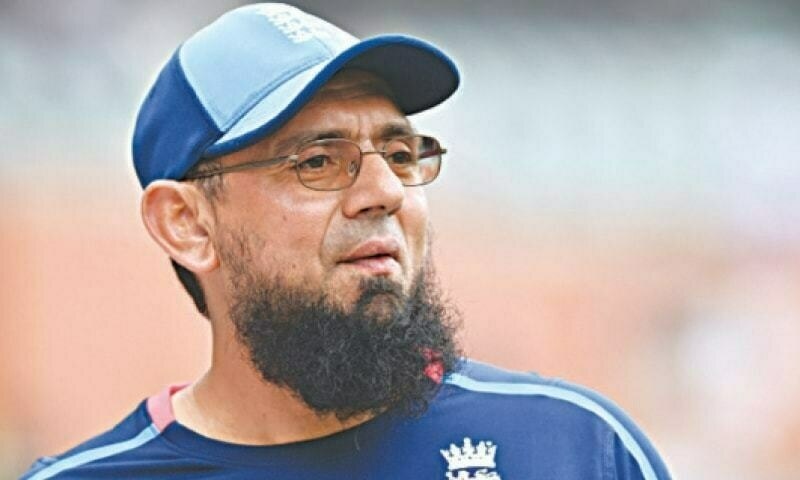
Former Pakistan off-spinner Saqlain Mushtaq has voiced strong confidence in the national side’s ability to deliver something special at the T20 World Cup 2026 — provided the players are given clarity, confidence and the freedom to express their natural game.
His remarks followed Pakistan’s tense T20 international win over the Netherlands, where the team chased a modest 148-run target in the final over. Faheem Ashraf’s late hitting proved crucial after the Dutch bowlers applied sustained pressure through the middle overs, setting up a nervy finish.
Despite the victory, Pakistan’s performance has drawn mixed reactions. Former cricketer Basit Ali questioned captain Babar Azam’s role and warned that failure to reach the World Cup semi-finals could put Babar’s T20 future in doubt.
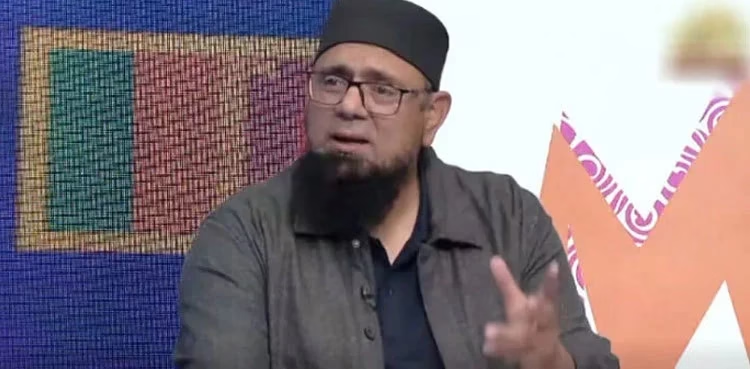
Saqlain, however, offered a more optimistic outlook. Speaking on a sports programme, he said the current squad has significant untapped potential that can flourish under the right management approach.
“If these players perform according to their potential and are given assurance and clarity, they can do much better,” Saqlain said.
He argued that excessive tactical instructions can sometimes stifle creativity.
“These players know how to play their natural game. When too many things are forced on them, their potential dies down,” he explained.
Saqlain also highlighted what he sees as a communication gap between players and team management, stressing the importance of direct engagement and trust-building.
He pointed to Pakistan’s unique cricket culture — where many players rise from street cricket backgrounds — as a natural advantage.
“Pakistani kids grow up playing in streets with limited resources. That environment builds instinct and resilience. These same players reach the national team with that raw ability.”
According to Saqlain, Pakistan’s success in global tournaments will largely depend on how coaches nurture this natural talent rather than over-structuring it. He concluded that unlocking player confidence and simplifying communication could be the key to transforming potential into performance on the world stage.