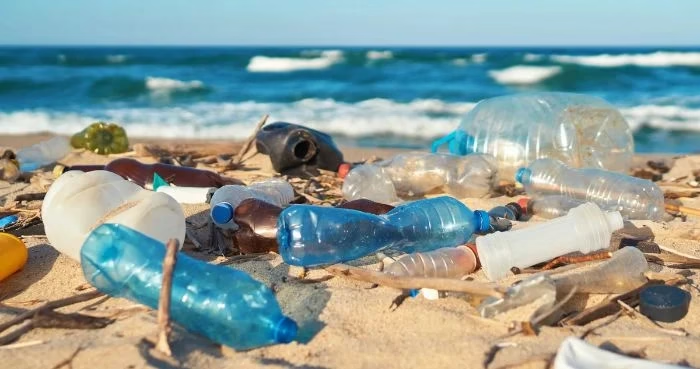
Toxic algae blooms—often called “red tides”—are becoming a serious global threat, forcing beach closures and killing marine life from Australia to the Arctic. While agricultural runoff has long been blamed, new research reveals another alarming driver: plastic pollution.
A study by the University of California, San Diego, published in Communications Sustainability, shows that petroleum-based microplastics are worsening algae blooms by wiping out their natural predators rather than feeding the algae directly. These predators, known as zooplankton, are tiny aquatic organisms that normally keep algae growth under control.
During a three-month experiment across 30 pond ecosystems, researchers compared traditional fossil-fuel plastics with plant-based biodegradable alternatives. The difference was dramatic. In environments containing petroleum-based plastics, zooplankton populations collapsed rapidly, either dying off or reproducing far less. With fewer grazers to consume algae, algal growth surged, triggering bloom-like conditions.
“The petroleum plastic had a strong negative effect on zooplankton,” explained lead author Scott Morton. “That loss cascaded through the ecosystem, allowing algae to grow unchecked.”
In contrast, tanks containing biodegradable plastics showed no such damage. Zooplankton populations remained stable, continued feeding on algae, and helped maintain ecological balance. This finding offers cautious optimism, suggesting that material choices can make a real environmental difference.
The researchers conclude that microplastics—especially those derived from petroleum—can destabilize aquatic ecosystems and tip conditions in favor of harmful algal blooms. Co-author Michael Burkart emphasized that shifting toward truly biodegradable materials could play a vital role in reducing these emerging ecological and public health risks.