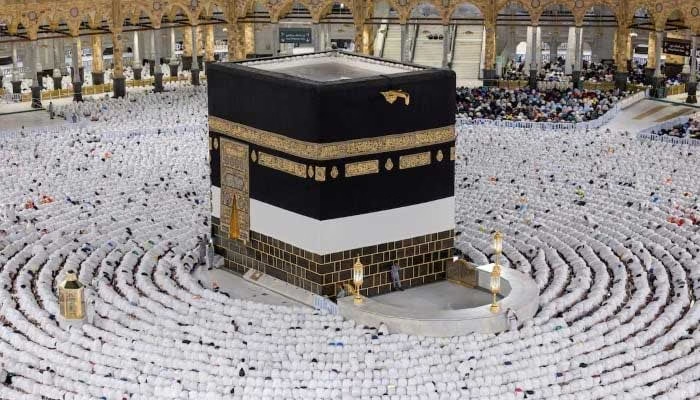
The Hajj biometric registration process has entered a critical phase as Pakistan’s Ministry of Religious Affairs has urged intending pilgrims to complete their biometric verification for Hajj visa endorsement without delay. Authorities have stressed that timely completion of this requirement is essential to avoid visa processing issues and ensure smooth arrangements for Hajj 2026.
Why Hajj Biometric Registration Is Important
According to the ministry, Hajj biometric registration must be completed through the official Saudi Visa Bio mobile application. This biometric step is mandatory under Saudi regulations and applies to both government and private pilgrims. The process helps Saudi authorities verify pilgrims’ identities, streamline visa issuance, and enhance security during the Hajj season.
Officials have warned that delays in biometric submission could lead to complications, including visa endorsement delays or, in extreme cases, inability to travel. This is why the ministry has emphasized completing the process as early as possible rather than waiting until the last moment.
What to Do If the App Does Not Work
The Ministry of Religious Affairs has acknowledged that some pilgrims may face technical difficulties while using the Saudi Visa Bio app. In such cases, pilgrims are advised not to panic or delay. If biometric registration cannot be completed through the app, pilgrims should visit their nearest Saudi Tasheer Centre by February 8.
Tasheer Centres are officially authorized facilities that assist with biometric data collection and visa-related procedures. Details of these centres, including locations and contact information, are available on the Pak Hajj Mobile App, which the ministry has recommended as a reliable source for updated guidance.
Progress on Hajj 2026 Preparations
Federal Minister for Religious Affairs Sardar Muhammad Yousaf has confirmed that preparations for Hajj 2026 are proceeding according to the Saudi timeline. He shared that registration has already been completed for 119,000 government pilgrims and 60,000 private pilgrims, reflecting strong progress at an early stage.
The minister stated that arrangements for food, transportation, and other essential services have been finalized through a competitive and transparent process. These preparations aim to ensure better facilities, improved logistics, and a smoother overall experience for Pakistani pilgrims.
Lessons from Previous Hajj Operations
Referring to Hajj 2025, the minister highlighted several improvements that set a positive precedent. During that year, refunds totaling Rs3.5 billion were returned to around 75% of Pakistani pilgrims. Individual refunds ranged from Rs12,000 to Rs110,000, depending on unused services or cost adjustments.
Training was another key focus. Training sessions equipped with audio-visual aids were conducted at 147 locations across the country. As a result, Pakistani pilgrims demonstrated better discipline and awareness during Hajj, which was appreciated by Saudi authorities and organizers alike.
Expansion of the Road to Makkah Project
An important development linked to Hajj facilitation is the expansion of the Road to Makkah project. After Islamabad Airport, Karachi Airport has now been included in this initiative. Under this project, immigration procedures are completed in Pakistan, allowing pilgrims to enter Saudi Arabia more smoothly.
The minister also shared that efforts are underway to include Lahore Airport in the Road to Makkah project. If approved, this would further ease travel for a large number of pilgrims from Punjab and surrounding regions.
Umrah Regulations and Oversight
Beyond Hajj arrangements, the Ministry of Religious Affairs is also working on regulatory reforms for Umrah. Under the Hajj and Umrah Act, Umrah Rules 2025 have been drafted and sent to the cabinet committee for approval. These rules are expected to improve transparency and accountability in Umrah operations.
In the meantime, verified contracts of 245 Umrah companies have been published on the ministry’s official website. Until the new rules are formally approved, Umrah-related complaints are being referred to provincial tourism departments to ensure timely resolution.
Final Advice for Pilgrims
The ministry has once again urged pilgrims not to take the Hajj biometric registration requirement lightly. Completing biometrics through the Saudi Visa Bio app or visiting a Tasheer Centre before the deadline is crucial for timely visa endorsement. Pilgrims are also encouraged to regularly check the Pak Hajj Mobile App for updates, instructions, and official announcements.
With Hajj 2026 preparations moving steadily forward, authorities are focusing on efficiency, transparency, and pilgrim convenience. The emphasis on early Hajj biometric registration reflects the importance of planning and compliance with Saudi regulations. By acting promptly and following official guidance, intending pilgrims can avoid last-minute hurdles and focus on preparing for the spiritual journey ahead.