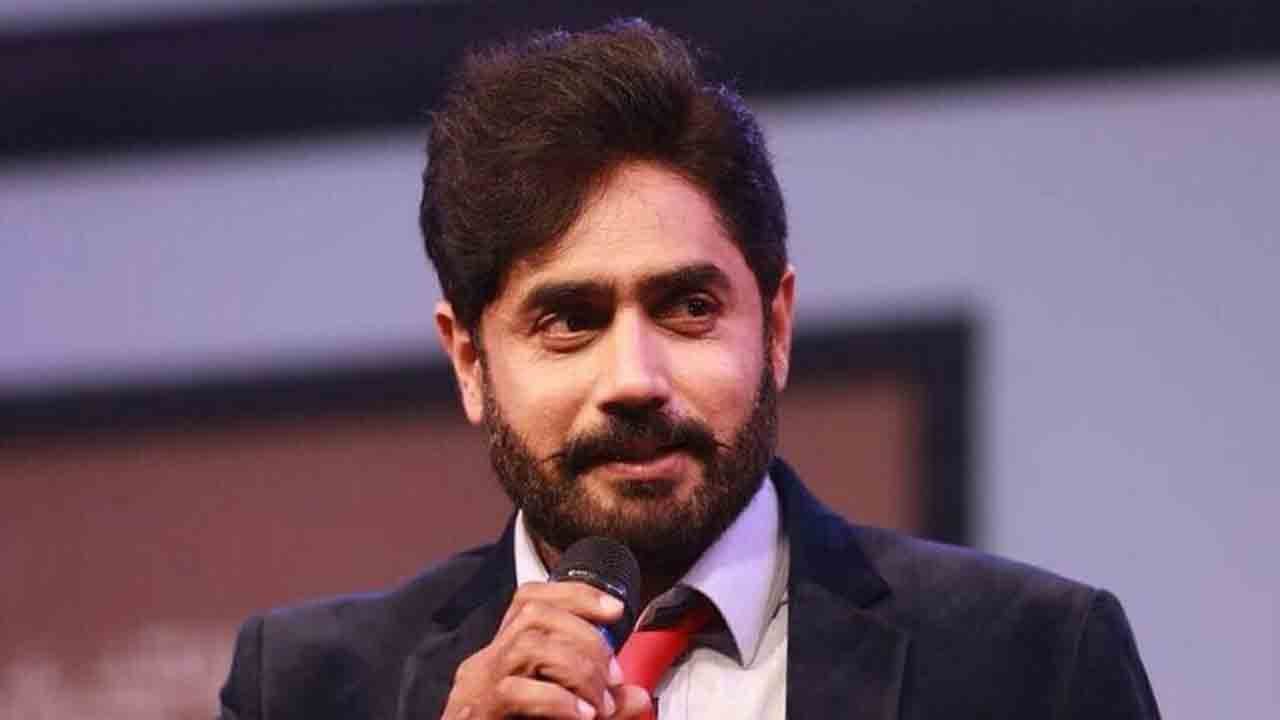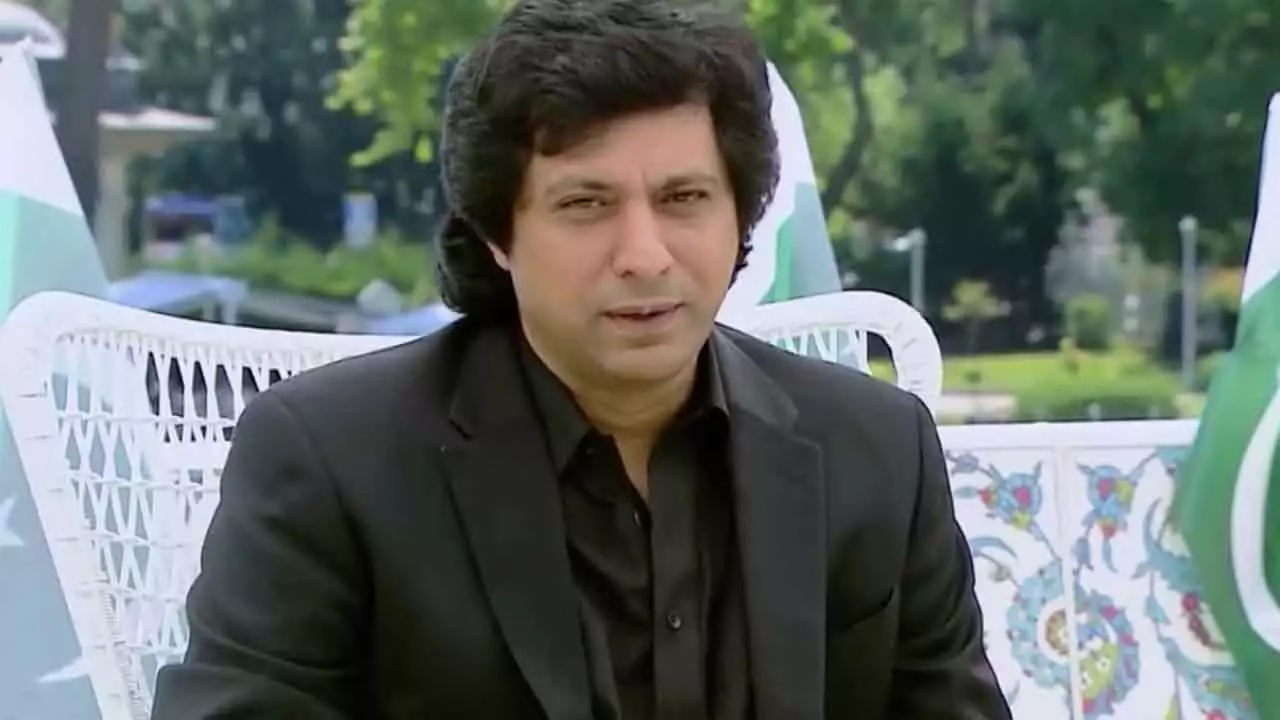
Jawad Ahmed music criticism has once again stirred debate across Pakistan’s entertainment and cultural circles. The former pop singer, who stepped away from music years ago, recently made headlines after calling well-known singers greedy during a television news show. His remarks have reignited discussions about the role of money, public connection, and purpose in the music industry.
Jawad Ahmed, once a household name with chart-topping songs, explained that his decision to retire from music was deeply tied to his political affiliations and personal principles. According to him, earning money from singing conflicted with his beliefs, as he feels art should not be driven by financial greed. This perspective, while admired by some, has also drawn sharp criticism from others who see it as unrealistic in today’s professional music landscape.
Why Jawad Ahmed Quit Music
In his recent comments, Jawad Ahmed revealed that after entering politics, he consciously distanced himself from music as a source of income. He stated that Jawad Ahmed music criticism is rooted in his belief that artists should prioritize social responsibility over commercial success. For him, music was always meant to educate, inspire, and connect with people, not merely to generate profit.
He recalled his peak years when artists were easily accessible to the public. Cassette tapes sold in massive numbers, not just in Pakistan but also in neighboring India. According to Jawad Ahmed, fans from all walks of life could connect with artists without barriers, which strengthened the bond between singers and society.
Singing Without Payment: A Different Era
One of the most striking claims made by Jawad Ahmed was that he often performed in villages without charging a single rupee. His only condition, he said, was that the songs should carry an educational message. This approach, he believes, helped spread awareness and positivity among communities that rarely had access to mainstream entertainment.
This part of Jawad Ahmed music criticism highlights a stark contrast between past and present. In his view, earlier artists considered it an honor to perform for ordinary people, regardless of financial reward. Today, he argues, that spirit has faded.
Criticism of Today’s Singers
Jawad Ahmed did not hold back when talking about contemporary singers. He accused many of them of limiting their performances to weddings, elite gatherings, and corporate events. According to him, this shift has created a gap between artists and the general public who originally made them famous.
He believes that when singers focus only on high-paying events, they lose touch with their roots. This, he argues, is harmful not just to the audience but also to the artists themselves. Over time, such detachment can reduce creativity and authenticity, turning music into a purely commercial product.
This aspect of Jawad Ahmed music criticism has divided opinions. Supporters say he is speaking uncomfortable truths, while critics argue that the music industry has evolved and artists have the right to earn a living.
Public Reaction and Industry Response
As expected, Jawad Ahmed’s remarks sparked strong reactions on social media. Some users praised him for standing by his principles and highlighting the social responsibility of artists. Others accused him of undermining working musicians who depend on performances for their livelihood.
Many industry insiders point out that the economic realities of today’s music scene are vastly different from the cassette era. With declining album sales and the rise of digital platforms, live performances have become a primary income source. From this perspective, labeling artists as “greedy” may oversimplify a complex situation.
Still, Jawad Ahmed music criticism has forced many to reflect on whether commercial success should come at the cost of public connection.
Art, Money, and Balance
At the heart of this debate lies a broader question: can art survive without money? Jawad Ahmed’s stance suggests that true art should be detached from financial motives. However, critics argue that sustainability is essential for any creative profession.
What makes this discussion important is not choosing one side over the other, but recognizing the need for balance. Artists can earn a fair income while still staying connected to their audience and contributing positively to society.
A Voice That Still Resonates
Even after retiring from music, Jawad Ahmed remains a powerful and controversial voice. His outspoken nature ensures that his opinions, whether agreed with or not, continue to influence public discourse.
Jawad Ahmed music criticism may upset many, but it also reminds the industry of its roots when music was not just entertainment, but a shared cultural experience. Whether today’s artists heed his words or dismiss them, the conversation he has sparked is unlikely to fade anytime soon.