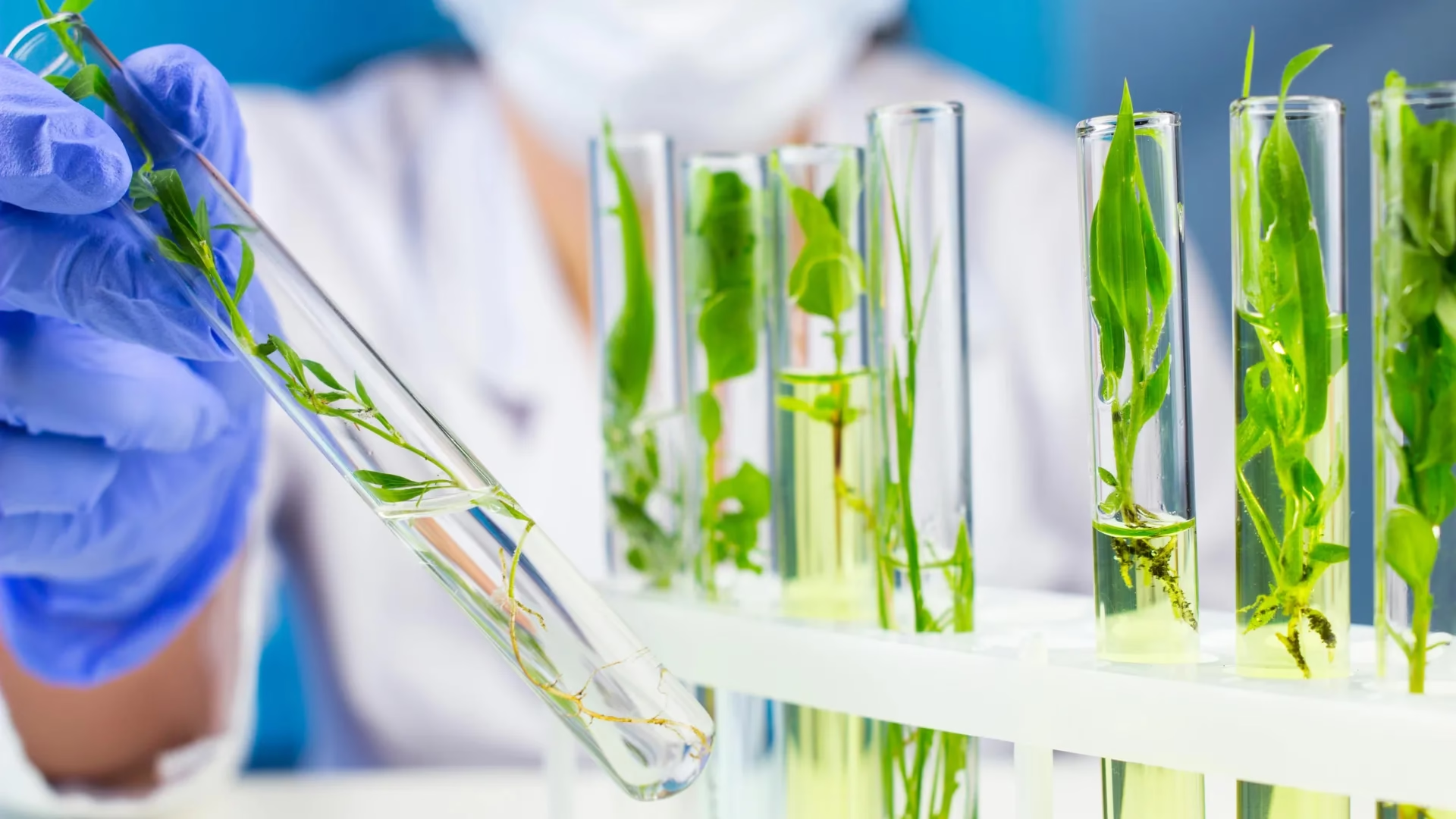
Modern medicine is increasingly turning to nature for answers, and new research is shedding light on how plants create potent healing molecules. Scientists at the University of British Columbia (UBC) Okanagan have uncovered the biological process behind the production of mitraphylline—a rare plant compound known for its strong anti-tumor properties.
Mitraphylline belongs to a distinctive group of molecules called spirooxindole alkaloids, recognized for their complex, twisted ring structure. This unique shape allows the compound to effectively target and combat cancer tumors. Until now, however, how plants formed this intricate structure had remained unknown.
“This is like discovering the missing links in an assembly line,” said Dr. Thu-Thuy Dang, lead researcher at UBC Okanagan. “It finally explains how nature constructs these highly complex molecules.”
The breakthrough builds on earlier work from 2023, when Dr. Dang’s team identified the first plant enzyme capable of twisting a molecule into the spirooxindole shape. The latest research, led by PhD student Tuan-Anh Nguyen, revealed that the process relies on two specific enzymes—one that prepares the molecule and another that twists it into mitraphylline.
Solving this puzzle was particularly challenging because mitraphylline occurs only in trace amounts in tropical plants such as Kratom and Cat’s Claw, members of the coffee family. This scarcity has made extraction extremely costly and impractical for large-scale pharmaceutical use.
By identifying the enzymes involved, researchers can now recreate the compound in laboratory settings. This opens the door to producing mitraphylline and similar therapeutic molecules through sustainable, cost-effective “green chemistry” methods—without the need to harvest rare trees.
“Our next steps will focus on adapting these molecular tools to create a broader range of therapeutic compounds,” Dr. Dang said, signaling a promising future for plant-based medicine and drug development.