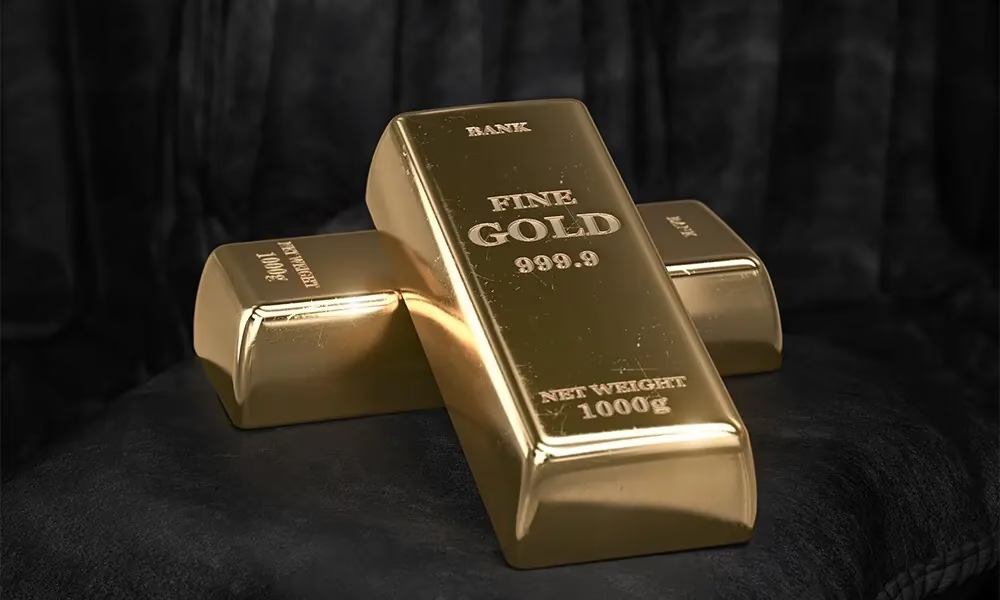
Gold prices in Pakistan continued their remarkable upward trend, reaching a new all-time high for the third consecutive day and signaling growing uncertainty in local and global markets. On Wednesday, the price of gold per tola surged to Rs486,162 after a sharp single-day increase of Rs4,300, according to data released by the All-Pakistan Gems and Jewellers Sarafa Association (APGJSA). This sustained rally has caught the attention of investors, traders, and consumers alike.
The consistent rise in gold prices in Pakistan reflects a combination of international market movements and domestic economic factors. Alongside the per tola rate, the price of 10-gram gold also saw a significant jump, climbing by Rs3,687 to reach Rs416,805. Just a day earlier, gold per tola was trading at Rs481,862 after a comparatively modest gain of Rs900, highlighting how rapidly prices are accelerating within a short span.
One of the primary drivers behind the surge in gold prices in Pakistan is the sharp increase in international gold rates. In global markets, gold rose by $43 to hit $4,638 per ounce, inclusive of a $20 premium. International gold prices often serve as a benchmark for local rates, and any substantial movement abroad is quickly reflected in domestic markets. The latest jump underscores strong global demand for gold as a safe-haven asset amid economic and geopolitical uncertainty.
In Pakistan, gold is traditionally viewed not just as a commodity but as a store of value. During periods of inflation, currency volatility, or political uncertainty, investors tend to shift toward precious metals to preserve wealth. The current spike in gold prices in Pakistan suggests heightened investor caution and a preference for assets perceived as stable over time.
Currency dynamics also play a crucial role. Fluctuations in the Pakistani rupee against major currencies can directly impact gold prices. When the local currency weakens, imported commodities like gold become more expensive, even if international prices remain stable. Combined with rising global rates, this effect amplifies the upward pressure on local gold prices.
The impact of rising gold prices in Pakistan is being felt across different segments of society. For investors, the rally presents both opportunities and risks. Those who invested earlier are seeing significant gains, while new buyers face higher entry costs. For jewelers and consumers, especially those planning weddings or traditional purchases, the escalating prices have increased financial strain and may delay buying decisions.
Silver prices have also followed an upward trend, though at a comparatively slower pace. On Wednesday, silver per tola increased by Rs500 to reach Rs9,575. While silver often mirrors gold’s movement, it is also influenced by industrial demand, which can moderate its price swings. Still, the rise in silver further reflects a broader bullish sentiment toward precious metals.
Market experts believe that the trajectory of gold prices in Pakistan will largely depend on global economic signals in the coming weeks. Interest rate expectations, inflation data, and geopolitical developments will remain key factors. If global uncertainty persists and international gold prices continue to climb, local rates are likely to stay elevated.
However, some analysts caution that such rapid increases may also lead to short-term corrections. Profit-taking by investors and any stabilization in global markets could temporarily ease prices. That said, the long-term outlook for gold remains positive, especially in economies where inflationary pressures and currency risks continue to influence investor behavior.
The latest record-breaking surge highlights how gold prices in Pakistan have become a clear indicator of broader economic sentiment. As gold touches unprecedented levels, it reinforces its role as a trusted hedge in uncertain times. Whether prices continue to rise or experience brief pullbacks, gold’s prominence in Pakistan’s financial and cultural landscape remains firmly intact.