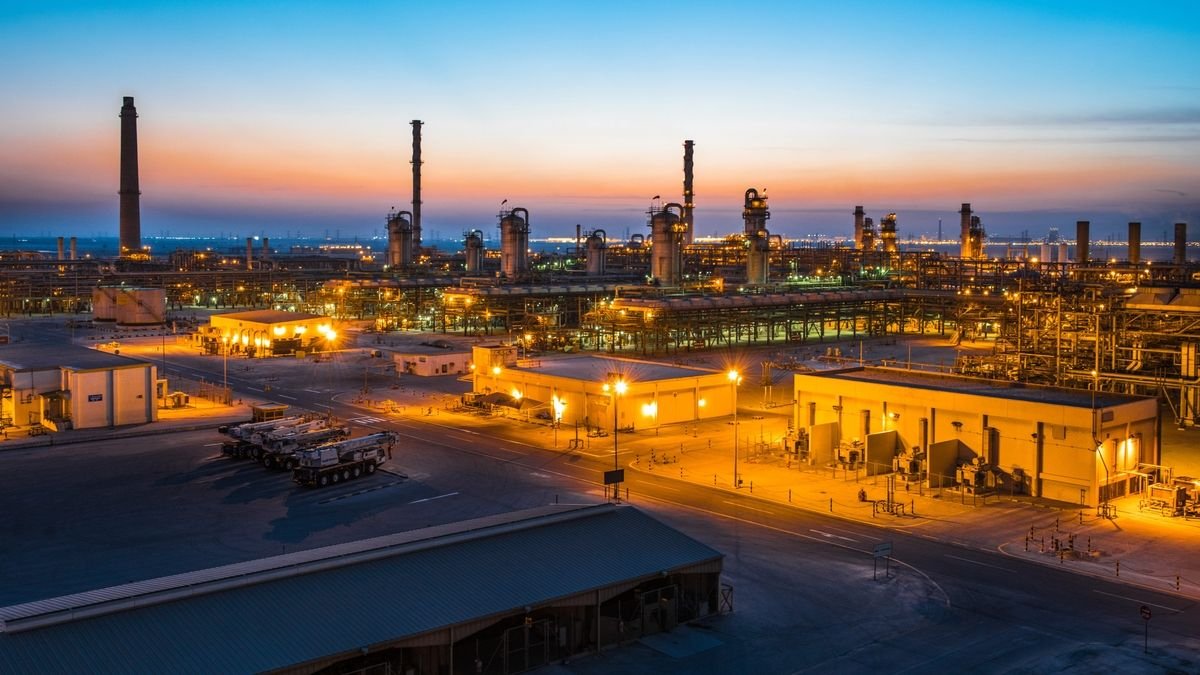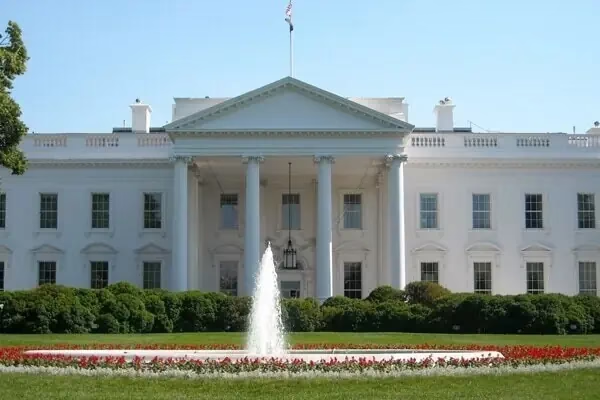
The White House oil meeting on Venezuela investment this Friday has become a focal point for both major and independent American energy firms as Washington seeks to attract capital to revive Venezuela’s long-troubled oil industry. Senior executives from global giants like Chevron, Exxon Mobil and ConocoPhillips are expected to attend alongside smaller independent companies, reflecting the broad interest and caution surrounding future investment prospects in Venezuela’s massive but beleaguered oil sector.
A High-Profile Gathering of U.S. Energy Leaders
President Donald Trump has invited a wide range of U.S. and international oil companies to the White House, where administration officials will outline potential investment opportunities in Venezuela’s oil industry. The meeting aims to explore how major energy firms might participate in restoring crude output in the face of decades of decline under sanctions, dwindling production, and deteriorating infrastructure.
Among the companies expected to attend are traditional oil majors such as Chevron, Exxon Mobil and ConocoPhillips, as well as downstream and services firms like Halliburton, Valero, and Marathon. Also present will be independents such as Continental Resources, HKN Inc., Raisa Energy, and other private-equity-backed players. The inclusion of these smaller U.S. firms many with limited prior experience in Venezuela is notable and reflects a diverse mix of industry players.
Agenda: Billions in Investment and Strategic Goals
The central theme of the White House meeting is investment: the Trump administration wants U.S. companies to commit billions of dollars to rebuild Venezuela’s oil infrastructure. Officials have suggested figures as high as $100 billion to modernize production facilities, improve output and capitalize on the country’s vast crude reserves. Trump has framed the effort not only as an economic opportunity but also as a way to strengthen American energy security and influence in the region.
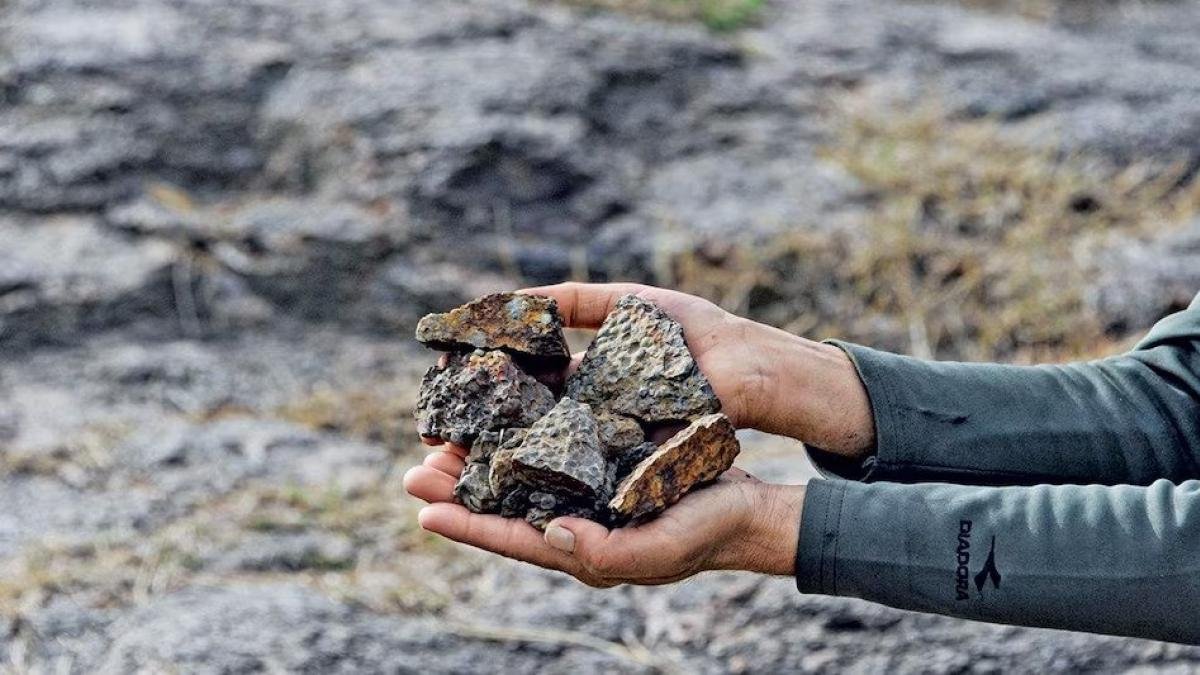
Venezuela possesses some of the world’s largest proven oil reserves, but decades of underinvestment, internal mismanagement, and sanctions have left production significantly below its potential. U.S. officials argue that American expertise and capital could help unlock this capacity. However, companies remain cautious, citing legal risks, unclear investment frameworks, and the country’s history of state control over oil assets.
Major Companies Weigh Benefits Against Risks
Energy giants are approaching the White House oil meeting on Venezuela investment with interest but restraint. Chevron, for example, has operated in Venezuela under a special U.S. license and is positioned to expand its footprint. Energy Secretary Chris Wright recently noted that Chevron could increase oil production by roughly 50 percent within 18–24 months if operational conditions allow.
Exxon Mobil and ConocoPhillips, however, have been more cautious. Exxon’s CEO has publicly stated that Venezuela remains uninvestable without substantial legal and commercial reforms due to past expropriations and policy uncertainty. ConocoPhillips, which holds significant unpaid claims from nationalized assets, is also careful about re-engaging without clear investment protections.
Smaller independent companies, while lacking the capital scale of the majors, could move more quickly and adapt to emerging opportunities, albeit on a different scale. Their participation in the meeting signals a desire to explore niche or regional plays, especially around lighter oil prospects or smaller field developments.
U.S. Government’s Role and Guarantees
At the White House meeting, Trump and senior administration officials are expected to offer assurances designed to alleviate investor concerns. This includes promises of total safety and regulatory support while stressing that private capital rather than government funds will fuel investment projects. However, oil executives have been clear that they will need strong legal guarantees, clear contractual frameworks, and assurances that future U.S. policy will safeguard long-term capital commitments.
The U.S. strategy reflects broader geopolitical goals tied to energy independence and influence over global oil markets, particularly as Venezuela’s neighbors and competitors like China and Russia have historically held sway over parts of the Venezuelan energy sector.
Potential and Caution
The White House oil meeting on Venezuela investment highlights the complex calculus facing U.S. energy companies. On the one hand, Venezuela’s vast reserves and the potential for revitalizing a dormant oil industry are attractive. On the other, decades of political and economic instability make large-scale investment risky without strong safeguards and predictable governance frameworks.
The industry appears willing to engage in discussions, but few firms have committed firm capital. The coming weeks and months will reveal whether these talks translate into concrete plans for rebuilding Venezuela’s oil sector and what role American companies will play in that transformation.