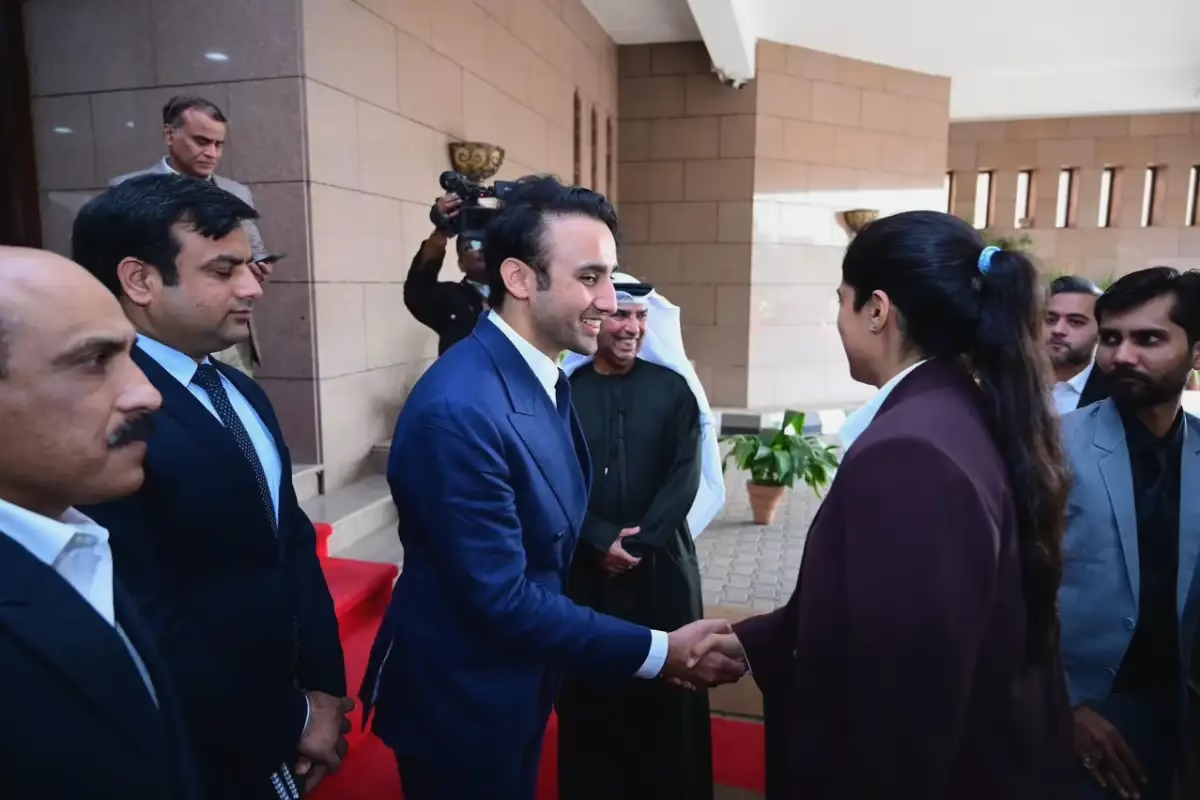
Pakistan’s push toward a modern digital economy took a major step forward as the Pakistan asset tokenisation strategy gained momentum through a high-level meeting between the Pakistan Virtual Assets Regulatory Authority (PVARA) and a senior delegation from the United Arab Emirates. Held at the Prime Minister’s Office, the engagement highlighted Pakistan’s growing ambition to adopt regulated digital finance as a tool for economic growth, transparency, and foreign investment.
A Strategic Shift Toward Regulated Digital Finance
The meeting focused on advancing Pakistan’s national roadmap for real-world asset tokenisation, with particular attention to real estate, public-sector assets, and future debt instruments. Officials described Pakistan asset tokenisation as a strategic mechanism that can unlock dormant assets, broaden investment access, and attract overseas Pakistanis and foreign capital without increasing fiscal pressure on the state.
Unlike unregulated crypto activity, the emphasis was clearly on structured, compliant models that align with international standards. This approach signals that Pakistan is positioning itself as a responsible participant in the global digital finance ecosystem.
UAE Expertise Meets Pakistan’s Vision
Senior representatives from UAE-based DAMAC Group and its DFSA-licensed real estate fintech platform, PRYPCO, participated in the discussions. DAMAC is a globally recognized real estate and investment conglomerate operating in more than 15 countries, while PRYPCO has built a strong reputation for compliant property tokenisation in Dubai.
Their presence brought practical experience to the table, particularly in transforming illiquid real estate into regulated, investable digital instruments. For Pakistan, this collaboration offers valuable insights into how Pakistan asset tokenisation can be implemented in a way that builds investor trust and market credibility.
Leadership and Regulatory Direction
The session was chaired by PVARA Chairman Bilal Bin Saqib, along with senior officials from the authority. UAE Ambassador to Pakistan, Salem Mohammad Alzaabi, also attended, underlining the importance of bilateral cooperation in financial innovation and cross-border investment.
During the meeting, PVARA officials outlined Pakistan’s evolving virtual assets regulatory framework. The goal, they said, is to strike a careful balance between innovation and strong governance, ensuring investor protection, transparency, and market integrity. This regulatory-first mindset is central to the success of Pakistan asset tokenisation, especially in a market where trust and compliance are critical.
Why Tokenisation Matters for Pakistan
Tokenisation allows physical assets such as real estate or public infrastructure—to be represented digitally on secure platforms. These digital tokens can then be fractionally owned, traded, or used as investment instruments within a regulated environment. For Pakistan, this means previously inaccessible assets could become part of the formal financial system.
Officials highlighted that Pakistan asset tokenisation could improve liquidity, increase documentation, and reduce inefficiencies that have long affected sectors like real estate. By bringing assets on-chain within a regulated framework, transparency improves, and informal practices are gradually replaced by traceable, compliant transactions.
Real Estate as the Starting Point
Real estate was identified as the natural entry point for Pakistan’s tokenisation journey. It is one of the country’s largest asset classes, yet it remains largely illiquid and under-documented. Tokenisation offers a way to modernize the sector while making it more accessible to smaller investors.
PRYPCO’s experience was particularly relevant. The platform has already launched multiple tokenised property offerings in Dubai, enabling fractional ownership of income-generating assets. Notably, its first tokenised property was fully funded within a single day, attracting investors from more than 40 countries. This success story provides a practical model that Pakistan asset tokenisation initiatives could adapt locally.
Beyond Real Estate: A Broader Vision
While real estate is the starting point, Pakistan’s ambitions go further. Chairman Bilal Bin Saqib emphasized that tokenisation should be viewed as a national economic enabler rather than a niche financial trend. Public-sector assets and future debt instruments are also part of the long-term vision, all governed by a strong regulatory framework.
Such an approach could help Pakistan diversify funding sources, improve public asset management, and create new investment channels without overburdening traditional financial systems. If executed carefully, Pakistan asset tokenisation could become a cornerstone of sustainable economic reform.
Strengthening Investor Confidence
A recurring theme throughout the discussions was investor confidence. By working with DFSA-regulated platforms and aligning with international best practices, Pakistan aims to send a clear signal to global investors that its digital finance ecosystem is credible and secure.
This confidence is especially important for overseas Pakistanis, who often seek transparent and reliable investment opportunities back home. Tokenised assets, backed by regulation and clear governance, could meet this demand effectively.
The engagement between PVARA and the UAE delegation marks an important milestone in Pakistan’s digital finance journey. With strong regulatory intent, international collaboration, and a clear economic rationale, Pakistan asset tokenisation is moving from concept to reality.
If momentum continues, Pakistan could emerge as a regional player in regulated digital assets, leveraging technology to unlock value, enhance transparency, and attract long-term investment. The meeting signals not just cooperation with the UAE, but a broader commitment to shaping a modern, inclusive financial future.