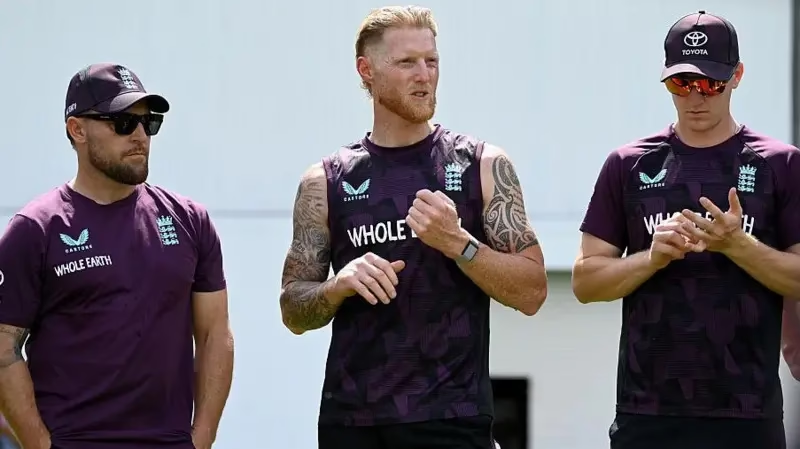
The England Ashes drinking controversy has once again overshadowed on-field performances, leaving fans frustrated and cricket authorities under pressure to respond. England losing an Ashes series in Australia is nothing new, but the recurring concerns around player behaviour off the field have sparked anger, disappointment, and serious debate about professionalism, discipline, and team culture.
A Familiar Story of Defeat in Australia
Australia’s dominance at home is well documented. Since the early 2000s, England have struggled badly on Australian soil, and the latest 4–1 defeat only added to that grim record. From poor shot selection to dropped catches and ineffective bowling, England were clearly outplayed. However, what has amplified criticism is that the cricketing failure has been accompanied by repeated reports of off-field issues, making this tour feel like a missed opportunity rather than just another loss.
This Ashes series was supposed to represent the peak of the much-hyped “Bazball” era, with England arriving confident, aggressive, and united. Instead, the focus shifted from tactics and team balance to discipline and lifestyle choices, reigniting the England Ashes drinking controversy.
Past Incidents and a Pattern of Behaviour
Concerns about England players and alcohol are not new. Over the past decade, several incidents have drawn media attention, from bar-room altercations to late-night drinking sessions during tours. These moments may seem isolated when viewed individually, but together they suggest a recurring pattern that the England and Wales Cricket Board (ECB) has struggled to control.
The latest revelation involving Harry Brook, who was involved in a confrontation with a nightclub bouncer in New Zealand shortly before the Ashes, has added fuel to the fire. What troubled many observers was not only the incident itself but the timing. Brook was captain for the upcoming match, and the episode occurred on the eve of an international fixture.
Transparency and Leadership Under Scrutiny
One of the biggest questions raised by the England Ashes drinking controversy is whether the ECB handled the situation appropriately. While Brook was reportedly fined and placed on a final warning through an internal disciplinary process, the matter was kept confidential until it emerged in the media months later.
This lack of transparency has led to criticism of the board’s leadership. Fans and former players have questioned whether stronger action or clearer communication might have prevented further distractions during the Ashes. The decision to allow players significant downtime in public holiday spots, particularly after such incidents, has been widely criticised as poor judgment.
Impact on Performance and Public Trust
Cricket fans are deeply invested, emotionally and financially. Thousands travel across the world to support England, while millions follow matches through sleepless nights. When performances are poor, supporters usually accept defeat if they feel the team has given everything. What is harder to accept is the perception that focus and professionalism may have been lacking.
Reports of players spending long hours in bars or clubs during crucial phases of the tour damaged public trust. Even if these activities did not directly affect performance, the optics were damaging. In elite sport, perception matters, and the England Ashes drinking controversy has created a narrative that England were not fully locked in.
Bazball or Boozeball?
The aggressive, fearless style branded as Bazball was meant to redefine England cricket. Instead, critics have sarcastically rebranded it as Boozeball,suggesting that freedom and trust may have tipped too far toward complacency. Coach Brendon McCullum’s relaxed approach, including removing curfews, has been praised in some contexts but questioned sharply in light of recent events.
This does not mean that modern teams must return to strict, old-fashioned discipline. However, elite performance requires balance, accountability, and leadership clarity—areas that now appear blurred.
Lessons for the Future
The ECB has promised a review of the tour, including player behaviour. For that review to mean anything, it must lead to tangible changes. Clear guidelines, consistent discipline, and transparent communication are essential to restoring credibility.
More importantly, players must recognise their responsibility as representatives of English cricket. Talent alone is not enough. Fans expect commitment, professionalism, and respect for the privilege of wearing the national jersey.
The England Ashes drinking controversy is not just about alcohol or isolated incidents—it reflects deeper questions about culture, leadership, and priorities within the team. Losing to Australia may be expected, but losing focus, discipline, and public confidence is far more damaging. If England want to compete seriously in future Ashes series, especially away from home, addressing these issues is no longer optional—it is essential.