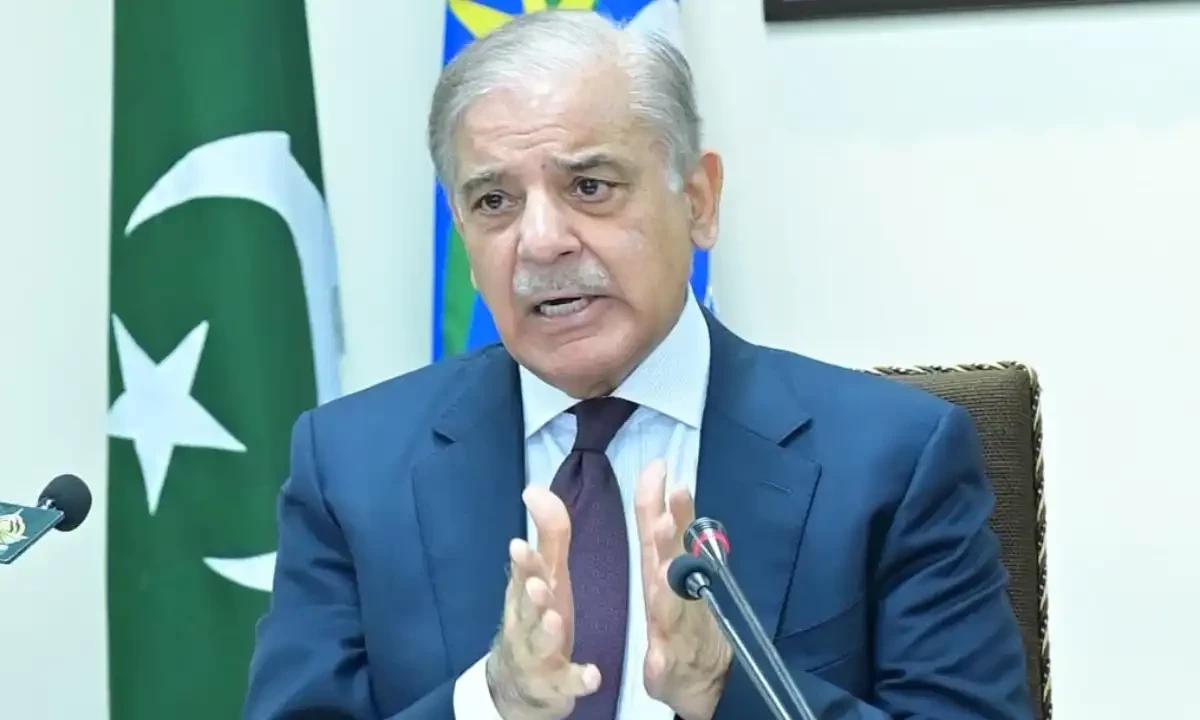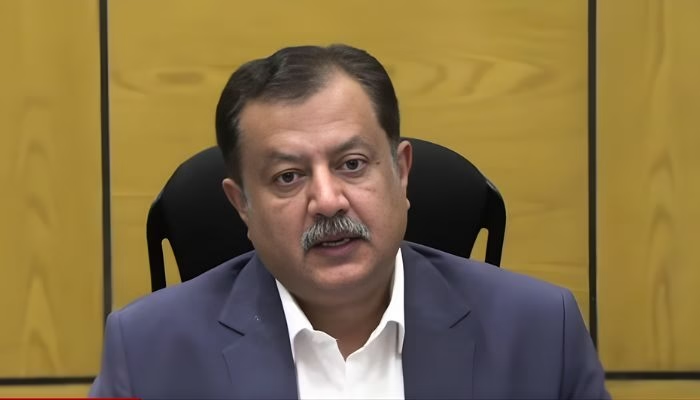
The recent BYC militant recruitment allegations have sparked serious debate after Balochistan Counter-Terrorism Department (CTD) officials claimed that militant groups are using the platform of the Balochistan Yakjehti Committee (BYC) to recruit and radicalise young people across the province. The claims were shared during a joint press conference by CTD Deputy Inspector General Aitzaz Goraya and Additional Chief Secretary (Home) Muhammad Hamza Shafqaat, shedding light on what authorities describe as a growing and organised network targeting teenagers.
Arrests and Security Operation
According to CTD officials, a major breakthrough came with the arrest of Sajid Ahmad, also known as Shahwaiz, a resident of Turbat. He was apprehended during a joint operation by CTD, police, and other law enforcement agencies in Panjgur while travelling toward Turbat. The operation led to the recovery of a large cache of weapons and explosives, including rockets, hand grenades, M-16 rifles, C4 explosives, detonating cords, and reconnaissance tools.
Investigators believe this seizure points to a well-structured militant network operating under the cover of political and protest platforms. The BYC militant recruitment allegations gained further traction after officials linked Sajid’s activities to both banned militant organisations and his alleged association with BYC leadership.
Background of the Suspect
CTD officials revealed that Sajid was not an uneducated or marginalised individual. He reportedly held a Master’s degree in Sociology from the International Islamic University in Islamabad and had professional experience as a lecturer at government and private institutions in Balochistan. This detail has raised further concern among security experts, who warn that educated individuals can play a critical role in recruitment and operational planning.
According to CTD, forensic and mobile data analysis recovered from Sajid included sensitive information such as routes to Turbat Airport, locations of law enforcement facilities, and other strategic sites. Authorities allege that such material indicates active involvement in planning and intelligence gathering.
Teenagers in the Recruitment Net
One of the most alarming aspects of the BYC militant recruitment allegations is the alleged targeting of teenagers. CTD officials disclosed the detention of several young individuals, including an 18-year-old named Sarfaraz from Kharan. He was allegedly tasked with conducting reconnaissance of police activities, including polio duty routes.
Officials claim Sarfaraz was first drawn into BYC protests and roadblocks before being assigned reconnaissance tasks. Another suspect, 20-year-old Jahanzaib alias Mehrbaan, was identified as the individual who allegedly recruited Sarfaraz and facilitated logistics, including transporting money and supplies.
Alleged Recruitment Chain
According to CTD, Jahanzaib later inducted another teenager, Bezan, into BYC activities, after which he allegedly became affiliated with a banned militant outfit. Authorities also linked Bezan’s family history to militancy, noting that his brother was killed in an attack on Levies personnel.
Officials allege that such recruitment follows a pattern: young individuals are first engaged through protests, demonstrations, and social activism, and later moved toward more direct militant roles. The BYC militant recruitment allegations suggest that social media, roadblocks, and so-called missing persons protests are used to identify and groom potential recruits.
Use of Protest Platforms
DIG Goraya claimed that BYC protests were used not only to mobilise crowds but also to manage messaging and social media narratives. According to CTD, organisers allegedly instructed participants on what content to post online and how to shape public opinion.
Authorities argue that children and teenagers are deliberately targeted because they face less scrutiny when moving between schools, colleges, and public gatherings. This, they say, allows militant networks to operate under the radar.
Fitna-al-Hindustan Narrative
CTD officials also referred to militant outfits operating in Balochistan as Fitna-al-Hindustan,a term used by the state to highlight alleged foreign involvement in destabilising the region. Goraya claimed these groups exploit local platforms before gradually drawing recruits into violent activities.
The BYC militant recruitment allegations are being framed by authorities as part of a broader strategy to counter what they describe as hybrid warfare, where ideological influence, protests, and militancy intersect.
Public and Legal Implications
The allegations have raised serious questions about youth protection, campus security, and the fine line between political activism and exploitation. While investigations are ongoing and FIRs are being registered, officials emphasise that due legal process will be followed.
At the same time, civil society voices stress the importance of transparency and caution against collective blame. Experts argue that while security concerns must be addressed, peaceful activism and genuine social movements should not be undermined.
The unfolding BYC militant recruitment allegations highlight a complex and sensitive challenge for Balochistan: protecting young people from radicalisation while safeguarding legitimate civic space. As investigations continue, the focus will remain on evidence, accountability, and ensuring that security measures do not come at the cost of fundamental rights. The coming weeks are likely to be crucial in determining how these claims reshape public discourse and counterterrorism policy in the province.