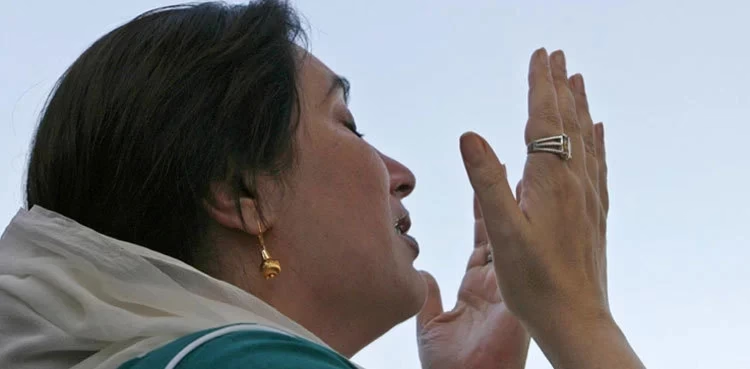
The 18th death anniversary of former prime minister Shaheed Benazir Bhutto is being observed across Pakistan today (Saturday), with tributes pouring in to honour her legacy, sacrifice, and struggle for democracy.
Benazir Bhutto was martyred in a gun and bomb attack on December 27, 2007, while returning after addressing an election rally at Liaquat Bagh, Rawalpindi, just weeks before the general elections.
Main Commemorative Event at Garhi Khuda Bakhsh
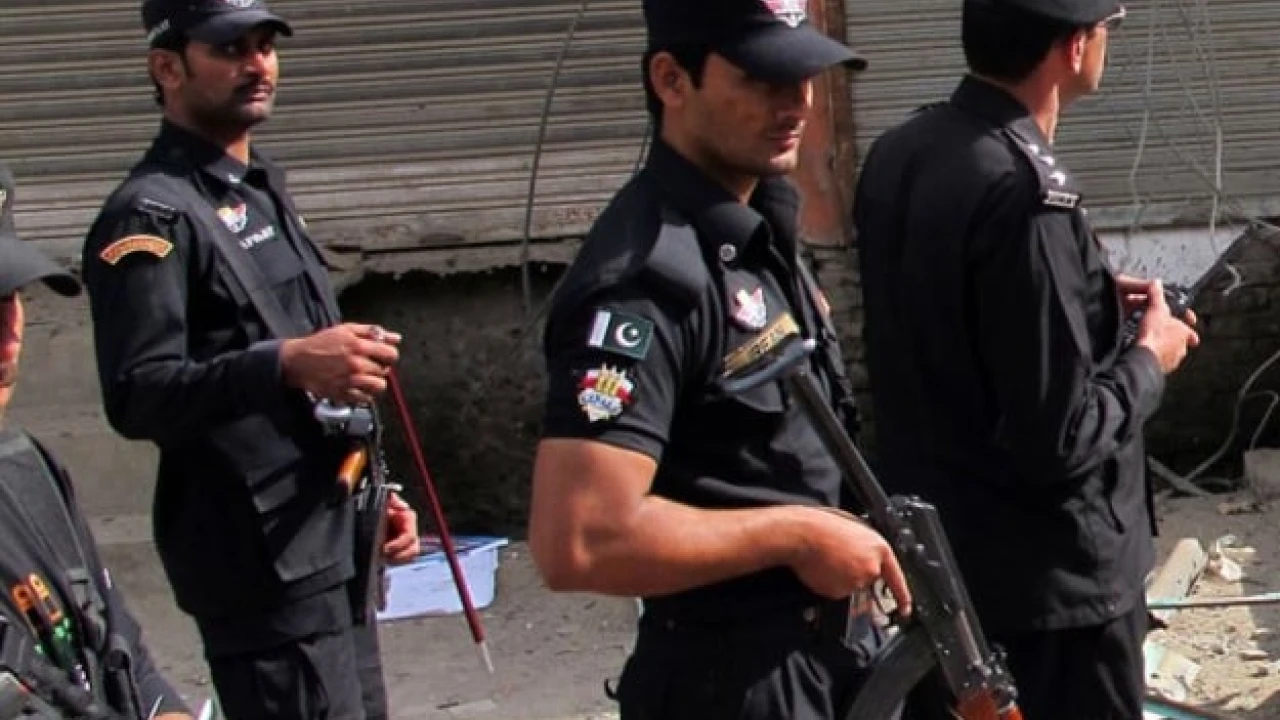
All arrangements have been finalised for the main anniversary gathering at Garhi Khuda Bakhsh Bhutto, where her mausoleum is located. Stringent security measures have been put in place, with over 8,500 police personnel, along with Rangers and other security agencies, deployed in and around the area to ensure safety.
Hundreds of thousands of Pakistan People’s Party (PPP) workers and supporters from across the country are expected to attend the event. President Asif Ali Zardari, PPP Chairman Bilawal Bhutto Zardari, and senior party leaders will pay homage to the late leader.
Reports said hundreds of caravans have already reached the venue via buses, trucks, cars, and other vehicles, while many supporters have travelled on foot to participate in the commemorations.
A Tragic Turning Point in Pakistan’s History
The assassination of Benazir Bhutto, in which scores of party activists were also killed, sent shockwaves across the country. The tragedy dramatically altered Pakistan’s political landscape, triggering widespread unrest, violence, and arson that caused billions of rupees in losses nationwide.
Benazir Bhutto is remembered as one of the most dynamic and influential political figures in global politics. Her unwavering struggle for democracy earned her posthumous international recognition and respect.
Legacy of Democracy and Courage
In 2006, Benazir Bhutto set aside political differences with Nawaz Sharif, leading to the signing of the historic Charter of Democracy, a landmark agreement aimed at restoring democratic norms and ensuring peaceful transfers of power in Pakistan.
She returned to Pakistan on October 18, 2007, after eight years in exile. Her homecoming in Karachi was marked by massive public enthusiasm but also tragedy. As her convoy reached Karsaz, two deadly explosions killed 139 people and injured over 450. Bhutto narrowly survived the attack but remained undeterred.
Despite clear threats to her life, she continued her political struggle until December 27, 2007, when she was martyred in Rawalpindi.
Today, Benazir Bhutto is remembered not only as Pakistan’s first woman prime minister, but as a symbol of resilience, democratic struggle, and sacrifice, whose legacy continues to shape the country’s political discourse.