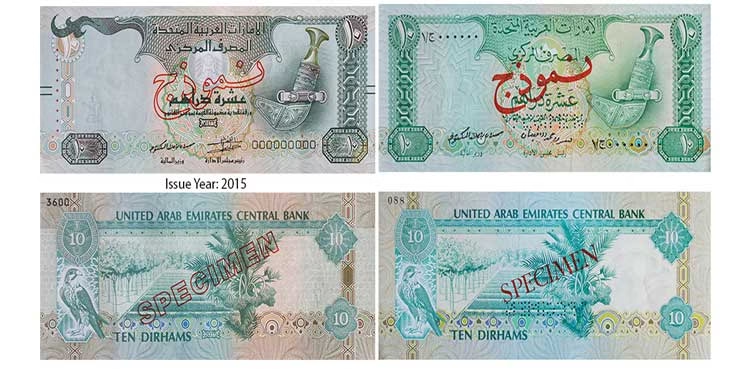
The UAE Dirham (AED) strengthened slightly against the Pakistani Rupee on Monday, December 22, 2025, rising to Rs 76.32, up 2 paisas from Sunday’s close of Rs 76.30, according to interbank and open-market data.
The marginal increase keeps the AED/PKR pair within the narrow 76.30–76.50 range that has defined trading in recent weeks.
Why the Dirham is gaining
Analysts attribute the modest uptick to several factors:
- Renewed strength in the US dollar following upbeat American jobs data, which eased recession concerns
- Year-end salary disbursements in Dubai, Abu Dhabi and Sharjah, boosting routine demand for the dirham
- Stable sentiment around the rupee, supported by State Bank of Pakistan (SBP) foreign-exchange reserves remaining above the $10 billion threshold
Despite easing from its 2025 peak of Rs 77.61 in July, the dirham has still gained 1.2 per cent (88 paisas) against the rupee this year, rising from January’s average of Rs 75.44 to current levels.
Remittance relief for families
For Pakistan’s 1.6 million expatriates in the UAE, even small currency movements matter. A worker remitting 4,000 AED today would receive approximately Rs 305,280, enough to cover private-school tuition for a semester or several months of household expenses in major cities such as Karachi, Lahore and Peshawar.
The UAE remains Pakistan’s second-largest remittance source, sending an estimated $700–750 million per month, according to SBP data.
AED to PKR snapshot
- Today (Dec 22): Rs 76.32
- 7-day high: Rs 76.50
- 30-day average: Rs 76.38
- 2025 high: Rs 77.61 (July)
- 2025 low: Rs 75.44 (January)
Outlook for 2026
Forex analysts surveyed by Emirates Forex expect the AED/PKR rate to trade between Rs 76.00 and Rs 77.00 in Q1 2026. A move toward Rs 76.80 could materialize if Brent crude rises above $80 per barrel, while a dip toward Rs 75.80 is possible if Pakistan’s foreign-exchange reserves climb beyond $12 billion through IMF support and allied inflows.
Backed by the dirham’s peg to the US dollar and the UAE’s strong oil and tourism revenues, the currency continues to offer stability and predictability for overseas Pakistanis—making it a vital financial lifeline for millions of households back home.