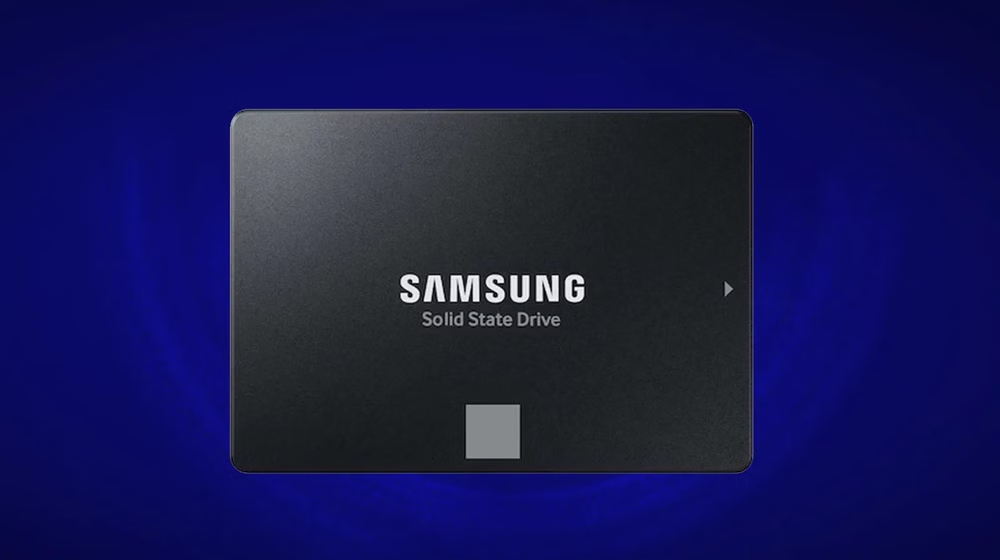
Samsung SATA SSD exit rumors are gaining traction as new industry reports suggest the tech giant may be preparing to gradually step away from SATA-based solid-state drive production. If confirmed, this move could reshape the consumer storage market, especially for budget users and those upgrading older systems.
According to multiple sources cited by well-known tech YouTuber Moore’s Law Is Dead, Samsung plans to stop manufacturing SATA SSDs after fulfilling its existing supply contracts. While the company has not made an official announcement yet, the reports indicate that this would be a long-term strategic shift rather than a short-term pause.
Why Samsung May Be Leaving SATA SSDs
SATA SSDs, once the gold standard for fast storage, are increasingly seen as legacy technology. Modern laptops and desktops now rely heavily on NVMe drives, which use the PCIe interface to deliver much faster speeds. In high-performance and enterprise environments, SAS (Serial Attached SCSI) has also gained prominence.
From Samsung’s perspective, continuing to invest heavily in SATA SSDs may no longer make business sense. The company has been aggressively expanding its presence in high-margin segments such as NVMe storage, enterprise-grade solutions, and memory products designed for artificial intelligence and data centers. A Samsung SATA SSD exit would allow the company to reallocate resources toward these faster-growing and more profitable areas.
SATA SSDs Are Still Widely Used
Despite being overshadowed by NVMe, SATA SSDs remain relevant in 2025. They are still widely used in budget PCs, external storage devices, and older laptops and desktops that lack NVMe support. Many users also prefer SATA drives for simple upgrades because they are affordable, reliable, and easy to install.
Retail data suggests that SATA SSDs continue to sell in large volumes. Samsung, in particular, holds a strong position in this segment. Industry estimates indicate that roughly 20% of top-selling consumer SSD listings still rely on the SATA interface, with Samsung-made drives accounting for a significant portion of those sales.
This is why the Samsung SATA SSD exit, if it happens, could have consequences beyond just one product line.
Potential Impact on Prices and Availability
Samsung is one of the world’s largest suppliers of finished consumer SSDs. If it removes its SATA SSDs from the market, overall supply could tighten quickly. Reduced competition often leads to higher prices, and SATA drives may become more expensive than many consumers expect.
Some analysts also warn that the impact may spill over into the broader SSD market. Manufacturing capacity freed up by Samsung might not immediately translate into lower NVMe prices, especially as demand for high-speed storage continues to rise in AI, cloud computing, and enterprise environments.
In recent months, memory pricing has already been under pressure. Reports suggest Samsung has raised DDR5 memory prices significantly, while Micron has exited parts of the consumer memory market to focus on AI-related demand. In this context, a Samsung SATA SSD exit could further strain supply chains and push costs higher for end users.
What This Means for Consumers
For everyday users, the biggest impact would likely be felt in the budget and upgrade segments. People looking to revive older systems with affordable storage may find fewer options available, or face higher prices. External storage manufacturers that rely on SATA SSDs could also be affected, potentially passing costs on to customers.
That said, alternatives will not disappear overnight. Other manufacturers still produce SATA SSDs, and the transition away from SATA will likely take years rather than months. However, Samsung’s departure would signal a clear shift in where the industry is heading.
No Official Confirmation—Yet
It is important to note that Samsung has not officially confirmed these reports. Until an announcement is made, the Samsung SATA SSD exit remains speculative. Still, the consistency of industry chatter suggests that a strategic change is at least being considered.
If Samsung does follow through, it would mark the end of an era for one of the most popular storage formats in consumer computing. For now, users considering a SATA SSD upgrade may want to keep an eye on prices and availability, as the storage market continues to evolve toward faster, next-generation technologies.