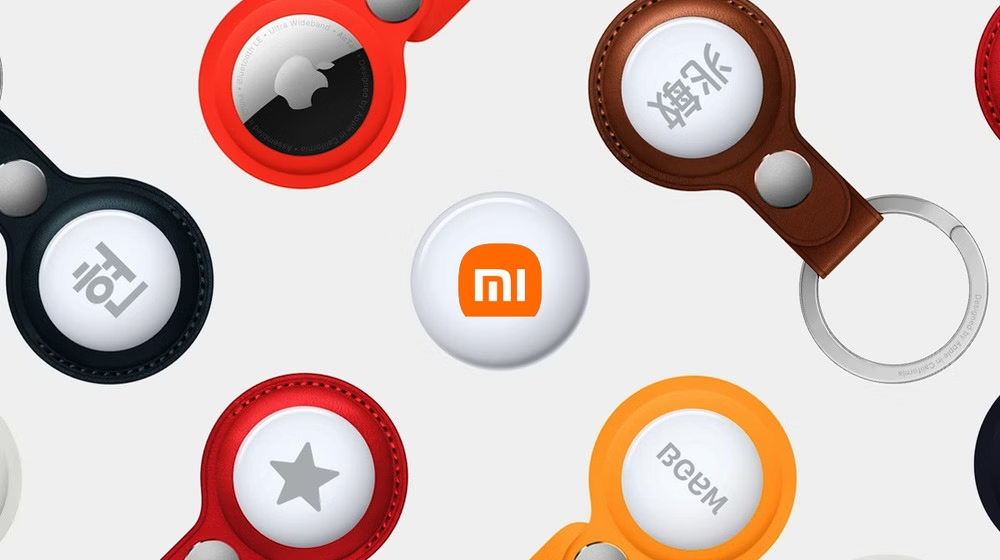
Xiaomi is reportedly preparing to launch its highly anticipated Xiaomi Tag, a smart tracking device designed to rival popular options such as Apple’s AirTag and Motorola’s Moto Tag. According to emerging rumors from China, the Xiaomi Tag aims to combine affordability, precision, and compatibility with a wide range of devices, positioning itself as a strong contender in the rapidly growing tracking device market.
The Xiaomi Tag is expected to work seamlessly with Google’s Find My Device network, enabling it to leverage nearby Android devices to locate tagged items. This compatibility gives Xiaomi an advantage over Apple’s AirTag, which primarily relies on the Apple ecosystem, limiting its full functionality to iPhone, iPad, and Mac users. By utilizing Google’s network, Xiaomi Tag could offer enhanced usability for millions of Android users around the world, making it a more accessible tracking solution.
In terms of technology, the Xiaomi Tag reportedly includes Ultra Wideband (UWB) support, a feature increasingly popular in premium trackers. UWB enables precise, short-range location tracking, allowing users to pinpoint their items with greater accuracy than traditional Bluetooth trackers. This feature brings the Xiaomi Tag in line with high-end alternatives like the AirTag, which also incorporates UWB for precise item location.
According to the rumor, the Xiaomi Tag is expected to launch on December 26 in China, coinciding with the release of the Xiaomi 17 Ultra. However, details about an international launch remain unclear, leaving potential global users waiting to see if the device will officially reach markets outside China. If Xiaomi chooses to expand globally, the Xiaomi Tag could attract considerable attention due to its rumored combination of advanced features and affordability.
Speaking of pricing, the Xiaomi Tag is expected to be priced under $25, at least in the Chinese market. This positions the device as a budget-friendly alternative to AirTags and Moto Tags, both of which are priced significantly higher. If Xiaomi delivers a device with reliable performance at this price point, it could appeal to consumers seeking affordable tracking solutions without compromising on technology or quality.
The design and form factor of the Xiaomi Tag remain under wraps, though Xiaomi is known for producing sleek, compact devices that are easy to attach to keys, bags, or other personal items. Users can likely expect a minimalist design that balances aesthetics with functionality, similar to other popular trackers on the market.
Functionality-wise, Xiaomi Tag is rumored to include all the standard features expected in modern trackers, such as item location notifications, lost-item alerts, and potentially sharing capabilities with friends and family. Integration with Xiaomi’s broader ecosystem of smart devices could also enhance its usability, especially for users who already own Xiaomi smartphones or smart home products.
With the smart tracking market becoming increasingly competitive, Xiaomi Tag enters a space dominated by Apple’s AirTag and other established devices. Apple has built a strong reputation for reliability and ecosystem integration, but the Xiaomi Tag could differentiate itself with broader Android compatibility, UWB precision, and a lower price point. For Android users looking for a versatile tracking solution, this combination could make Xiaomi Tag a compelling option.
Rumors suggest that the Xiaomi Tag will be part of a larger strategy to expand Xiaomi’s smart device ecosystem. By offering affordable, feature-rich gadgets like the Xiaomi Tag, the company can increase user engagement across its products, from smartphones to smart home devices. This aligns with Xiaomi’s long-term vision of creating a comprehensive ecosystem that seamlessly integrates with everyday life.
As of now, it is important to note that all details regarding the Xiaomi Tag are based on unconfirmed reports. Xiaomi has not officially released specifications, pricing, or launch details. Prospective buyers should keep an eye on official announcements to confirm features, availability, and global release plans.
In conclusion, the Xiaomi Tag is shaping up to be an exciting addition to the smart tracking market. With rumored features like UWB support, compatibility with Google’s Find My Device network, and an affordable price point under $25, it could challenge the dominance of AirTag and Moto Tag, particularly among Android users. While details are still emerging, tech enthusiasts and gadget lovers are eagerly awaiting its official launch, expected on December 26 in China. If Xiaomi delivers on these expectations, the Xiaomi Tag could become a popular choice for those seeking precise, reliable, and cost-effective item tracking.