The Faiz Hamid testimony has become one of the most discussed political developments in Pakistan, especially after Senator Faisal Vawda’s claim that the court-martialled former ISI chief is prepared to testify against PTI founder Imran Khan. This revelation has raised serious questions about the political landscape, the future of PTI, and the legal battles surrounding the events of May 9.
According to Vawda, Lt Gen (retd) Faiz Hamid is expected to provide evidence directly implicating Imran Khan. He stated on a popular news programme that the former intelligence official would present material that could significantly intensify legal troubles for the PTI founder. The Faiz Hamid testimony has therefore become a key focus of political debate, with many analysts speculating on the depth and nature of the evidence he may share.
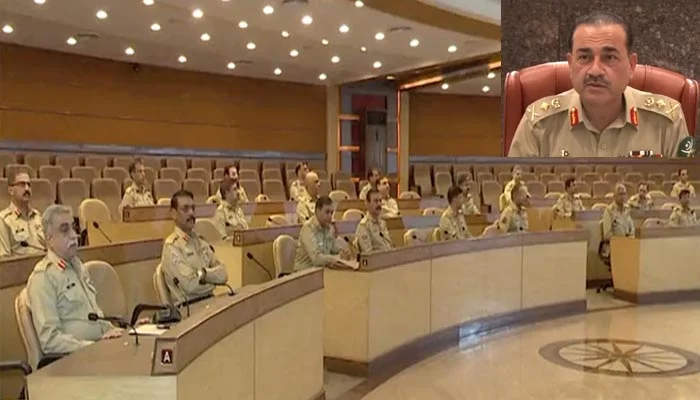
Earlier in the day, the Inter-Services Public Relations (ISPR) confirmed that Hamid had been handed a 14-year sentence by the Field General Court Martial on charges related to engaging in political activities and violating the Official Secrets Act. This sentence alone was a major development, but the possibility of a Faiz Hamid testimony has now added another layer of complexity to the ongoing political crisis.
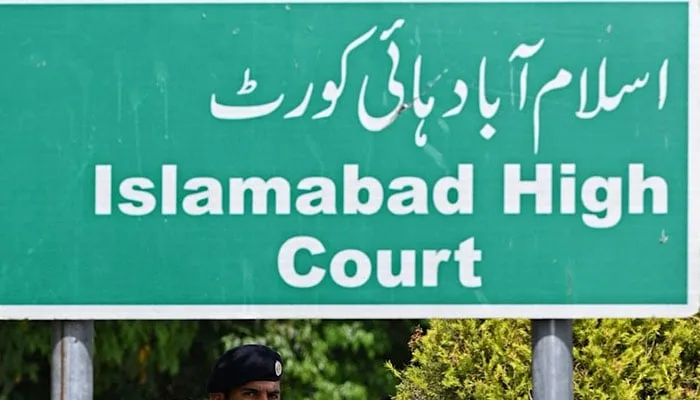
Vawda argued that Imran Khan is already caught in a legal squeeze,especially with the ongoing May 9 cases. The May 9 unrest followed the arrest of Imran Khan from the Islamabad High Court premises in 2023, triggering countrywide protests that included attacks on military installations such as the Corps Commander House in Lahore and the General Headquarters in Rawalpindi. According to Vawda, the Faiz Hamid testimony could reveal the internal communications and responsibilities leading up to those events.
He further alleged that Faiz Hamid had access to sensitive details regarding military installations and suggested that this information played a role in the disturbances that unfolded on May 9. If the Faiz Hamid testimony confirms these allegations, it could have major repercussions—not only for the PTI founder, but also for several individuals still facing trial over the riots.
Vawda also discussed the role of former army chief Gen (retd) Qamar Javed Bajwa, claiming that he initially supported Hamid but later tried to distance himself after seeing the consequences of certain decisions. Despite this, Vawda said that Bajwa has now been declared “exonerated,” indicating that he will not face action. However, the political debate continues, especially regarding the power dynamics and internal divisions within the military during that period.
Defence Minister Khawaja Asif also weighed in on the matter, calling the events of May 9 a joint plan between the PTI founder and the former ISI chief. He insisted that the riots were part of an effort to influence the appointment of Gen Asim Munir as the new army chief. The minister suggested that the Faiz Hamid testimony could reveal whether there were attempts to undermine civilian authority during the appointment process.
According to Asif, Faiz Hamid retained influence even after retirement, which raises further questions about his alleged involvement in political affairs. He noted that more cases could potentially be filed, depending on what the Faiz Hamid testimony brings to light. The defence minister also highlighted how, for the first time in Pakistan’s history, the process of appointing an army chief faced pressure and attempts at manipulation.
With both Vawda and Khawaja Asif confirming separate aspects of the story, the Faiz Hamid testimony has become a central narrative in understanding the events leading up to and following May 9. It also highlights the deep mistrust and power struggles that continue to shape Pakistan’s political and military institutions.
As Pakistan watches the situation unfold, one thing is clear: the expected testimony of a former ISI chief is not a small matter. It has the potential to reshape political relationships, influence ongoing legal cases, and bring forward evidence that may redefine recent history. Whether the Faiz Hamid testimony ultimately strengthens or weakens the cases against Imran Khan remains to be seen, but it has already amplified the intensity of Pakistan’s political climate.
In the coming weeks, if the testimony is recorded and made part of official proceedings, it may become one of the most consequential political statements in the country’s recent past. For now, the nation waits to see how the Faiz Hamid testimony will impact the legal, political, and institutional outcomes surrounding one of Pakistan’s most turbulent periods.