Pakistan has achieved a major financial milestone with the completion of PHL settlements, marking a decisive step toward ending the long-standing circular debt crisis in the power sector. The Power Division confirmed that Rs659.6 billion worth of PHL settlements have now been successfully completed, a development that strengthens investor confidence and accelerates the government’s broader economic reforms. The PHL settlements are a central element of the Rs1,225 billion Circular Debt Reduction Plan and signal a significant restructuring of the energy sector’s financial landscape.
Power Minister Sardar Awais Ahmed Khan Leghari said the completion of these PHL settlements reflects the strength of Pakistan’s financial system and its ability to handle high-value capital market transactions. In his statement, he highlighted that Rs399.6 billion of Pakistan Energy Sukuk I and II were redeemed through the Negotiated Deal Market (NDM), making it Pakistan’s largest-ever off-market debt transaction. An additional Rs259.7 billion was settled through syndicated financing facilities.
According to the minister, this achievement demonstrates institutional confidence in Pakistan’s economic reforms, especially the improvements made in capital markets and Islamic finance structures. He also emphasized that the NDM portion alone showcases the depth and capability of Pakistan’s financial ecosystem.
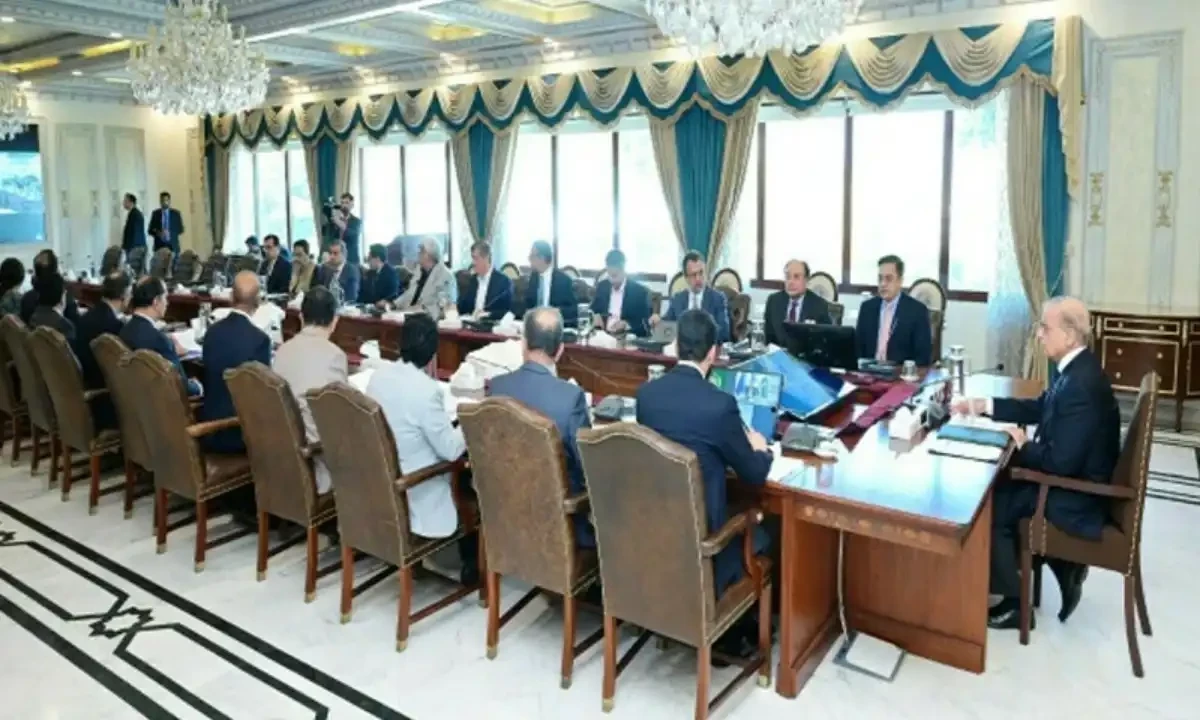
The PHL settlements are directly linked to the upcoming winding up of Power Holding Limited (PHL). PHL, a government-owned entity formed to borrow funds on behalf of power distribution companies (Discos), has played a major role in managing the sector’s financial pressures. As part of the government’s commitment to restructuring the power sector, the federal cabinet recently directed the Power Division to complete all formalities necessary for dissolving PHL once its financial obligations are settled.
This move is expected to bring more transparency to the financial operations of the power sector and prevent further buildup of circular debt. With the completion of the PHL settlements, the process of eliminating redundant structures and improving governance has now moved into its final phase.
Earlier, the Economic Coordination Committee (ECC) approved a Government of Pakistan guarantee of Rs659.6 billion for circular debt financing, which was later endorsed by the federal cabinet. This guarantee enabled the Power Division to move forward with the current settlement phase. The completion of this transaction is considered a core milestone in the implementation of the Circular Debt Reduction Plan.
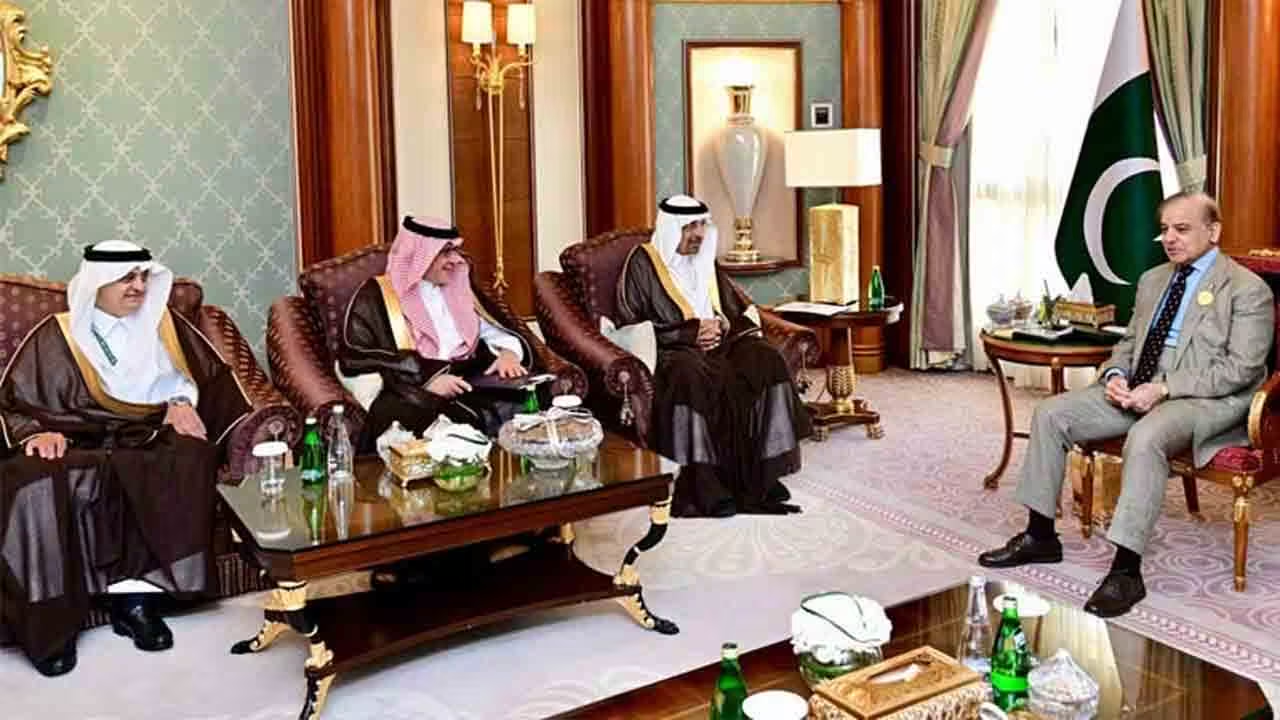
In a related development, Power Minister Awais Leghari met with US Ambassador Natalie Baker to request support from US-based global financial institutions, including the IMF and the World Bank. The minister stated that such support is crucial in addressing persistent challenges within Pakistan’s power sector and ensuring sustainable economic growth. He stressed that future electricity generation will be driven by private sector investment, as the government will no longer procure power directly—another key step toward reforming the power market.
The minister continues to advocate for policies aimed at reducing losses, improving energy governance, and encouraging competition. With the completion of these PHL settlements, the government aims to stabilize the sector, reduce borrowing costs, and set the foundation for long-term energy reforms.
Moreover, the windup of PHL is expected to streamline financial operations, reduce duplication, and allow the government to centralize oversight over sector liabilities. This restructuring is also aligned with the broader “Digital Pakistan” and “Economic Reforms” agendas, which aim to modernize public institutions and increase fiscal discipline.
As Pakistan continues to battle its longstanding circular debt problem—caused largely by inefficiencies, line losses, non-payments, and expensive power contracts—the progress on the PHL settlements is a positive signal for both domestic and international stakeholders. Clearing these liabilities enhances transparency in the power sector and improves Pakistan’s ability to meet commitments to lenders and development partners.
The government asserts that completing these PHL settlements will help reduce annual interest payments, improve the liquidity of distribution companies, and reduce the overall burden on the national budget. The goal is to create an energy sector that operates efficiently, attracts investment, and delivers affordable electricity to consumers.
In the coming months, the focus will shift to operational reforms, reducing theft, modernizing infrastructure, and transitioning to competitive electricity markets. However, the completion of the PHL settlements is a foundational step that demonstrates Pakistan’s commitment to addressing long-standing structural issues.
With this achievement, the Power Division now moves closer to executing long-term reforms that aim to stabilize the sector, build investor confidence, and ensure sustainable growth. The successful completion of the PHL settlements stands as a significant moment in Pakistan’s ongoing effort to resolve circular debt once and for all.