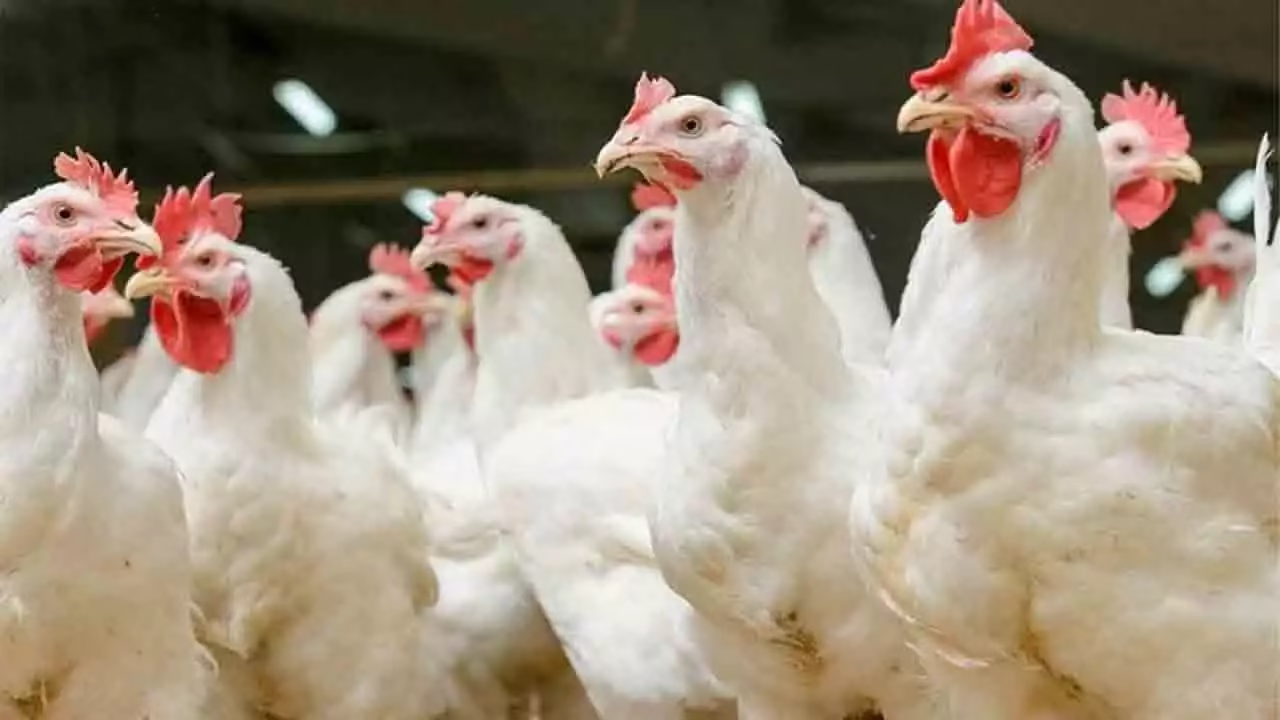
The rising chicken prices in Pakistan have once again become a major concern for households already struggling with inflation. The latest increase of Rs. 29 per kilogram has pushed chicken meat to Rs. 482 per kilogram, creating yet another financial burden for citizens who buy groceries on a daily basis. As essential commodities become more expensive, families are finding it increasingly difficult to manage monthly expenses.
While the rising chicken prices continue to frustrate consumers, the market for farm eggs appears relatively stable. A dozen farm eggs are still selling at Rs. 353 in retail shops. However, the wholesale price of an egg carton has climbed to Rs. 10,470, reflecting a steady upward trend seen in recent months. This contrast between chicken meat and egg prices shows that the poultry market is under strain but not uniformly affected.
Sharp Increase in Poultry Costs
Consumers say the rising chicken prices have become unbearable for many low- and middle-income families. For households that rely on chicken as an affordable source of protein, every price hike adds new pressure. Vendors claim that transportation costs, feed prices, and supply shortages are the major reasons behind the continuous increase. However, citizens argue that the frequency of these hikes raises questions about monitoring and price regulation.
With chicken now nearing Rs. 500 per kilogram, many families are being forced to reduce their consumption or shift to cheaper alternatives. The impact is especially harsh for daily wage earners and large families who already struggle to buy groceries within limited budgets.
Egg Prices Show Mixed Trends
Despite rising chicken prices, egg rates in retail markets have remained unchanged. The stable price of Rs. 353 per dozen offers slight relief to households that use eggs as an alternative protein source. Eggs are one of the most consumed items across Pakistan, especially during the winter season, and any fluctuation in prices affects millions of families.
However, the wholesale market tells a different story. The carton price reaching Rs. 10,470 indicates that suppliers are dealing with increasing production costs. Experts warn that if wholesale rates continue to rise, retail egg prices may also increase in the coming weeks.
Impact of Inflation on Everyday Purchases
Inflation is the biggest worry for citizens right now. With the rising chicken prices adding another layer of difficulty, families say they have been forced to cut down on basic food items. Daily essentials such as vegetables, flour, sugar, and cooking oil have already seen significant increases this year. Chicken and eggs are no longer affordable for many, despite being considered essential sources of nutrition.
People who previously bought chicken several times a week now limit their purchases to once or twice a month. Some have shifted to lentils and vegetables to manage expenses, while others feel trapped between rising prices and stagnant incomes. For millions of Pakistanis, the challenge is not just budgeting—it is survival.
Vendors and Farmers Share Their Concerns
While consumers struggle, poultry farm owners also say they are under pressure. They blame rising feed costs, expensive medicines, and fuel prices for the sharp increases in production expenses. According to farmers, the cost of feed—often linked to global grain prices—has risen dramatically. As a result, they are unable to sell poultry at lower rates without suffering losses.
Retail sellers, meanwhile, complain that they are caught between wholesalers and frustrated customers. They claim that they earn very little profit and that the real issue lies within the poultry supply chain. This ongoing disagreement between suppliers, farmers, and retailers continues to complicate the matter.
Government Response and Public Expectations
Citizens are urging the government to take steps to control the rising chicken prices and ensure fair pricing across markets. Many believe that proper monitoring can prevent artificial shortages and price manipulation. Authorities have issued statements in the past promising strict action against those involved in hoarding or unjustified price hikes, but consumers say these measures are not visible on the ground.
People expect transparent market policies, timely interventions, and stronger enforcement mechanisms. Without these, price hikes will continue to squeeze household budgets.
What Lies Ahead?
If production costs remain high, the rising chicken prices may continue for the next few months. Economic analysts predict that sustained inflation will further worsen the purchasing power of citizens. For now, families are trying their best to adapt, but the ongoing pressure on essential food items makes the situation increasingly difficult.
The poultry market is at a critical stage where even small changes in costs have large impacts on end consumers. With no immediate relief in sight, the rising chicken prices remain one of the biggest inflation concerns for Pakistani households.