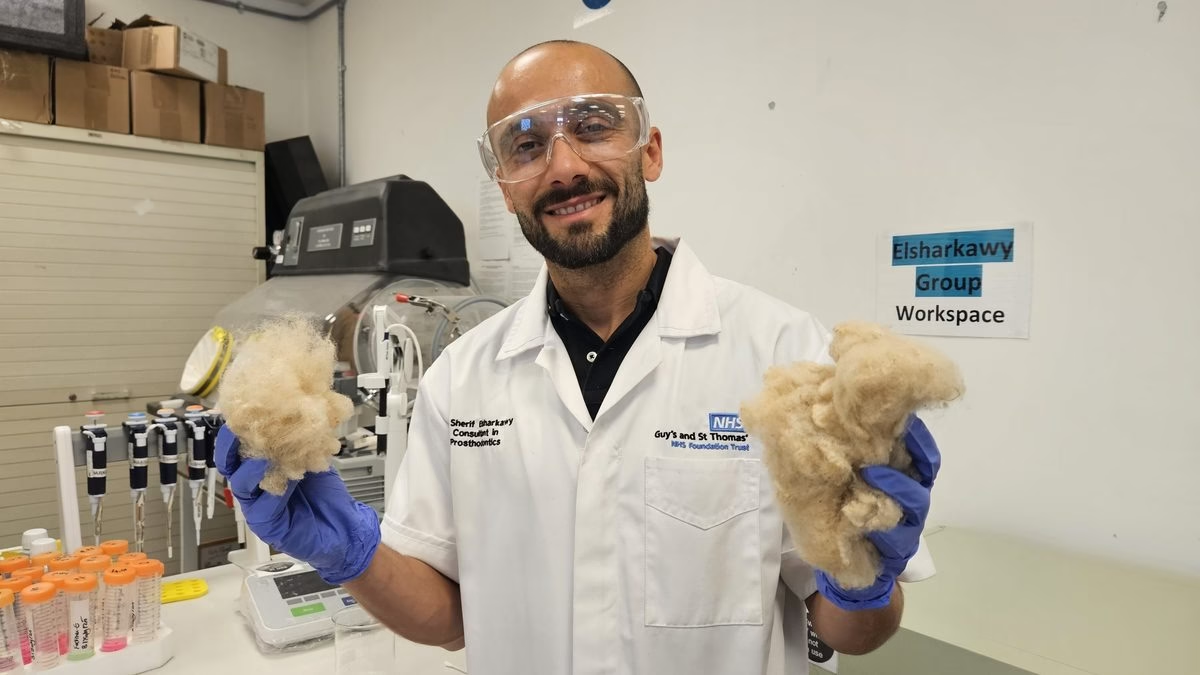
In a breakthrough that could redefine global dental care, researchers at King’s College London have created a revolutionary toothpaste made from keratin, a protein found in hair, skin, and wool. The keratin-based formula has shown the ability to repair damaged tooth enamel naturally and stop early decay entirely, outperforming traditional fluoride treatments.
The discovery, published in Advanced Healthcare Materials, demonstrates that keratin forms a protective, mineral-rich layer when combined with natural minerals in saliva. This biomimetic coating restores the hardness and structure of eroded enamel—an unprecedented achievement, as enamel cannot regenerate on its own once it is lost to acidity, aging, or poor oral hygiene.
Dr. Sherif Elsharkawy, senior author of the study and consultant in prosthodontics at King’s College London Dental Institute, emphasized the impact:
“Enamel does not regenerate; once it is lost, it’s gone forever. While fluoride toothpastes slow erosion, keratin-based treatments were found to stop it completely.”
Lead researcher and PhD candidate Sara Gamea highlighted the innovation’s sustainability:
“Keratin offers a transformative, eco-friendly alternative to current dental treatments. It is sourced from biological waste like hair and wool and eliminates the need for toxic plastic resins used in dentistry.”
Eco-Friendly and High-Performing
Prototypes were developed using keratin extracted from sheep wool, a common biowaste, reducing environmental impact and supporting farmers. Future versions may even allow people to use their own hair clippings, converting salon waste into personalized enamel-repairing toothpaste.
Despite the scientific leap, the toothpaste maintains the familiar minty taste and foaming texture of traditional products. A professional gel version—applied like nail polish—is also being developed for dental clinics to treat severe enamel damage.
Lab Results and Future Timeline
Tests on early-stage enamel lesions showed remarkable outcomes:
- Enamel hardness was restored nearly to its original level.
- No further decay occurred after keratin treatment.
Researchers are now preparing for human clinical trials. Dr. Elsharkawy says commercial products could be available within two to three years, pending regulatory approval.
A New Era for Sustainable Dentistry
This innovation highlights King’s College London’s leadership in breakthrough biomedical research. By repurposing everyday waste like hair into a high-performance dental material, scientists are advancing oral health while promoting sustainability at a time when reducing plastic and resource use is more critical than ever.
The keratin toothpaste represents a rare convergence of eco-friendly innovation, regenerative science, and practical consumer application—potentially marking the beginning of a new chapter in dental care worldwide.