A groundbreaking study has raised major concerns about the sorbitol liver disease risk, suggesting that this widely used artificial sweetener may contribute to severe liver problems. Sorbitol is found in countless sugar-free and diet products, including chewing gum, baked goods, protein bars, diabetic foods, and low-calorie beverages. While it has been marketed as a safer alternative to sugar, new research indicates that sorbitol may cause fat accumulation in the liver, leading to potentially fatal conditions.
What the Study Reveals About Sorbitol and Liver Damage
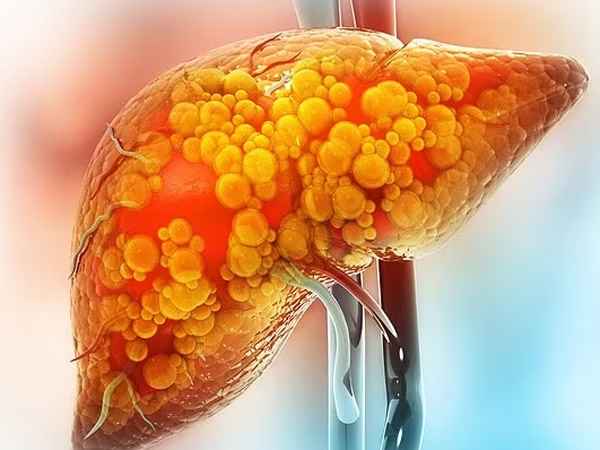
The latest findings, published in the journal Science Signaling, are now drawing global attention to the sorbitol liver disease risk. According to researchers, sorbitol can trigger the buildup of unhealthy fat levels in the liver. This can develop into metabolic dysfunction-associated steatotic liver disease (MASLD), a condition previously known as non-alcoholic fatty liver disease (NAFLD).
Unlike traditional liver diseases linked to alcohol consumption, MASLD occurs due to metabolic imbalances. This makes the discovery even more alarming because many people unknowingly consume sorbitol daily, believing they are making healthy choices.
Understanding MASLD and Why It Matters
Before the study on the sorbitol liver disease risk, MASLD was already one of the fastest-growing health concerns worldwide. The disease causes fat to accumulate in liver cells, eventually leading to inflammation, fibrosis, and in severe cases, liver failure.
Key facts about MASLD:
- It is not caused by alcohol.
- It affects millions of people globally.
- It is often silent, showing no symptoms for years.
- It can progress into life-threatening liver damage.
The new research suggests that sorbitol may accelerate this progression—even in individuals who follow a normal or otherwise healthy diet.
How Researchers Conducted the Study
Scientists conducted their research using zebrafish, a species known for genetic similarities to humans and frequently used in medical studies. The study explored how sorbitol interacts with the gut and how it impacts the liver.
The focus was on the gut microbiome, the natural ecosystem of bacteria and fungi living in the digestive tract. This microbiome plays crucial roles in digestion, immunity, nutrient absorption, and overall health.
When researchers introduced sorbitol to the fish, they discovered that:
- A reduction in beneficial gut bacteria affected how sorbitol was broken down.
- Sorbitol was no longer metabolized properly.
- Excess sorbitol reached the liver, causing fat buildup.
- This accelerated the development of MASLD.
These findings highlight the seriousness of the sorbitol liver disease risk, as it shows how an imbalance in gut bacteria can transform a common food additive into a harmful substance.
Why Sorbitol Becomes Dangerous
Under normal conditions, healthy gut bacteria dissolve or neutralize sorbitol before it can cause harm. However, when the gut microbiome becomes weakened due to stress, poor diet, excessive antibiotics, or lifestyle factors the body becomes less able to process sorbitol.
As a result:
- Unprocessed sorbitol enters the bloodstream.
- It travels to the liver.
- It begins contributing to fat accumulation.
This indicates that even people who eat a normal or balanced diet may face increasing sorbitol liver disease risk if their gut health is compromised.
How Much Sorbitol Do We Consume?
Many people consume sorbitol without realizing it. It is commonly found in:
- Sugar-free chewing gum
- Sugar-free candies
- Low-sugar cookies and desserts
- Diet sodas
- Energy bars
- Diabetic-friendly products
- Certain fruits like apples, apricots, and peaches (in small natural amounts)
The danger arises from frequent intake of processed foods containing artificial sweeteners, especially when paired with weakened gut health.
What This Research Means for Consumers
The study’s findings don’t necessarily mean you must avoid sorbitol entirely. However, they do highlight the importance of moderation and gut health. The sorbitol liver disease risk becomes more serious when the microbiome is unhealthy or when sorbitol intake is high.
Health experts recommend:
- Reducing consumption of sugar-free processed foods
- Eating a diet rich in fiber to support gut bacteria
- Incorporating probiotics and fermented foods
- Limiting artificial sweeteners whenever possible
- Choosing natural sweeteners like honey or stevia (in moderation)
Since the gut plays a central role in metabolizing sorbitol, supporting digestive health becomes crucial to lowering the sorbitol liver disease risk.
The new findings regarding the sorbitol liver disease risk provide a powerful reminder that sugar-free does not always mean healthy. While artificial sweeteners may seem like a beneficial alternative, their long-term effects especially in combination with an imbalanced gut may increase the risk of serious liver conditions.
As research continues, consumers are encouraged to stay informed, prioritize gut health, and limit unnecessary artificial sweetener intake. The study serves as a strong wake-up call for anyone relying heavily on sugar-free products without understanding the potential hidden risks.