The debate on PML-N and PTI dialogue has once again taken center stage in Pakistan’s political landscape, especially after Senator Rana Sanaullah reiterated his party’s willingness to engage in talks with the Pakistan Tehreek-e-Insaf. As tensions remain high and political mistrust persists, the possibility of meaningful communication between major political forces is crucial for democratic stability and national harmony.
Rana Sanaullah Reaffirms Openness to Dialogue
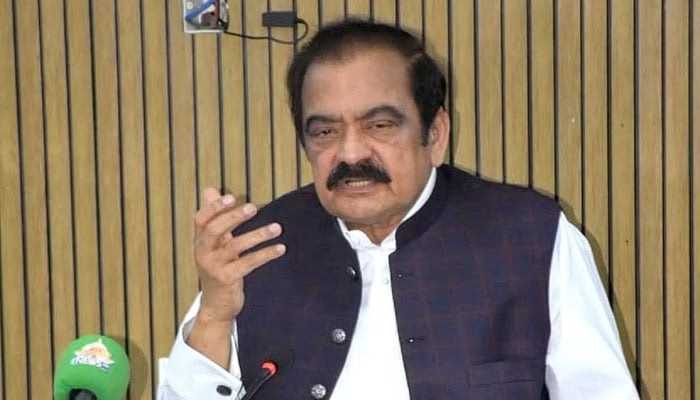
Speaking to reporters in Faisalabad after casting his vote in the by-elections, Senator Rana Sanaullah emphasized that democracy can only move forward through dialogue. He stressed that without constructive engagement, political deadlocks deepen, ultimately harming governance and public welfare.
According to Sanaullah, the PML-N has consistently signaled its readiness for the PML-N and PTI dialogue, even during times when PTI was in power. He recalled that during former prime minister Imran Khan’s tenure, the government refused to engage with opposition parties, contributing to political polarization. Sanaullah criticized the PTI founder for prioritizing cases against opponents instead of initiating political negotiations.
Imran Khan’s Approach Under Scrutiny
Sanaullah’s remarks reflected longstanding accusations that PTI leadership avoided political consultation and instead relied on confrontation. He stated that a healthy democracy cannot function without communication among political forces, and the absence of dialogue created an unhealthy environment that still affects the political system today.
This continued insistence from the PML-N reinforces their view that national issues require collective responsibility. Whether PTI responds with the same openness remains to be seen, but the willingness expressed by PML-N keeps the possibility of PML-N and PTI dialogue alive.
KP Chief Minister Signals Cooperation
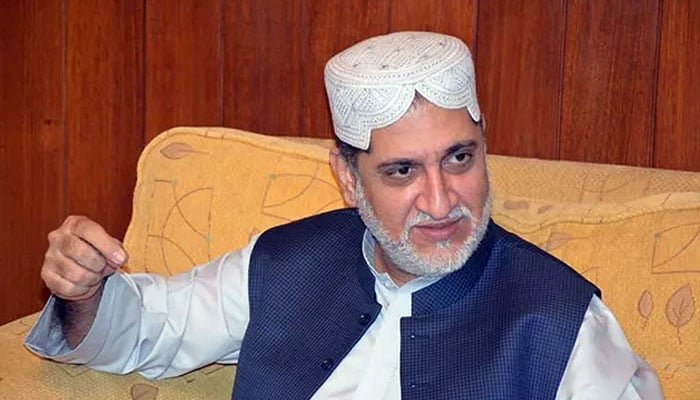
Adding to the conversation, Khyber Pakhtunkhwa Chief Minister Sohail Afridi recently indicated his readiness to cooperate with the federal government on matters of national importance. Afridi stated that although no National Security Committee meeting had been held since he took office, he would participate in discussions for the sake of peace and the rights of his province.
His statement suggested a softer tone from the PTI-led KP government, potentially opening a pathway toward renewed political communication. Such developments indirectly strengthen the case for PML-N and PTI dialogue, as both sides appear more aware of the need for cooperation on key national matters.
By-Elections Conducted Peacefully
During his media interaction, Sanaullah also commented on the ongoing by-elections, expressing confidence that the PML-N would secure strong public support. He praised the peaceful conduct of the elections across the constituencies, stating that no incidents of violence or intimidation were reported.
Voter turnout, he said, typically remains between 25% and 30% in by-polls, but the smooth process reflected positively on the election administration. Sanaullah added that local development projects—previously halted due to the elections—would resume soon, as planning was already complete.
Why Political Dialogue Matters Now More Than Ever
Pakistan is currently facing several internal challenges, including economic difficulties, governance issues, and regional security concerns. In such circumstances, political confrontation only deepens instability. This is why the possibility of PML-N and PTI dialogue holds significance far beyond party politics.
A functioning democracy relies on:
- Communication between political rivals
- Consensus on national challenges
- Commitment to electoral and constitutional processes
- Respect for political differences
Without these fundamentals, polarization grows, creating confusion among citizens and weakening institutions.
A Path Toward Political Maturity
Although both parties have a history of sharp disagreements, Pakistan’s political stability depends on their ability to negotiate national priorities with maturity. Dialogue does not require abandoning ideological differences; instead, it promotes structured engagement that can strengthen democratic practices.
If both PML-N and PTI focus on national interest rather than political point-scoring, they can help restore political trust and reduce tensions. Constructive dialogue can also improve provincial-federal coordination, support economic recovery, and enhance governance.
The renewed call for PML-N and PTI dialogue signals a potentially positive shift in Pakistan’s political climate. Senator Rana Sanaullah’s remarks underline the importance of negotiation, while recent statements from KP’s leadership suggest a possible opening for communication. For Pakistan to progress, its major political actors must prioritize dialogue, cooperation, and democratic responsibility over confrontation.